Patient Engagement
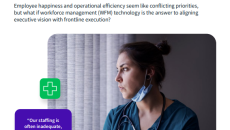
Despite the widespread availability of workforce management technology, many healthcare institutions continue to rely heavily on manual processes for critical tasks like scheduling, time tracking, and labor analytics. This persistence of manual methods occurs even as organizations report high adoption rates of AI and automation.

Discover how these cutting-edge technologies are not only streamlining operations but also making healthcare more personal and humane.

Virtual environments can provide soothing, nonjudgmental healthcare experiences, leveraging AI-generated agents and immersive spaces, says Anca Petre, cofounder of MedShake Studio.

Rita Sharma, chief product officer at Pager Health, says health plans that are transparent and offer access to care and member benefits have great Net Promoter Score results.

The biggest hurdles in healthcare are rooted in how it is provided and IT is fundamental to process improvement, says University of South Carolina professor and HIMSS25 Changemaker Elizabeth Regan.

Femtech is helping reduce medical gaslighting by generating data that translates women's experiences into measurable health insights, says Ida Tin, founder of think tank Femtech Assembly.

It has also revealed ongoing work applying AI to track medical resource utilisation in real time.

Robert Slepin, chief digital officer at SE Health and an emeritus CIO adviser at Epic, describes the key aspects of digital transformation that provider organizations need to understand, the primary technologies involved and how to best organize such a comprehensive effort.

Chris Whelchel, a consultant with expertise in helping health systems with these varied challenges, shares advice that CIOs and other IT leaders at provider organizations can put into place now to help achieve results.
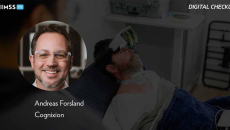
Cognixion has created a non-invasive brain-computer interface that works alongside AI and augmented reality to help ALS and traumatic brain injury patients communicate. Andreas Forsland, CEO and cofounder, offers a deep dive.