Artificial Intelligence

At Annapolis Internal Medicine, patient satisfaction ratings jumped, labor capacity more than doubled without adding staff, and hold times dropped from four minutes to under one minute, all because of the agentic AI technology.
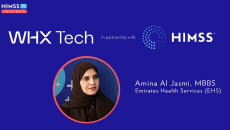
The Emirates Health Service, according to Dr. Amina Al Jasmi, is using AI to strengthen radiologists' skills and to reduce workload by acting as a second reader that catches subtle findings humans might miss.

Beth Meese, the health system's executive director of IT, digital health and enterprise EMR, offers a preview of her HIMSS26 session, which will offer an up-close perspective on how to make ambient tools work to "meaningfully reduce" clinician burden.

Big investments focused on AI infrastructure, cloud services and new PCs helped fuel a 14% increase this past year, according to the research firm – the fastest year of growth since the era of Windows 95 and the World Wide Web.

And that was just in the first six months. By catching needed radiology follow-ups and ensuring patients receive recommended follow-up care, the Virginia health system helps prevent more advanced disease and supports value-based care initiatives, one exec says.

New agentic tools, medication management advances, medical device guidance and the "great tech reckoning" were among just some of the hundreds of artificial intelligence and machine learning stories we published this past year.

Rural hospitals are overcoming fears of artificial intelligence and adopting tools that integrate with electronic health records on their own terms – whether that's all at once or by cultivating buy-in slowly and deliberately.
The government will also fund hospital-based verification programs so AI tools can be tested and validated at scale before clinical rollout.

Also, Yonsei University has received $4 million in state funding to develop AI for automating nursing workflows.

Success Stories & ROI
The practice reduced inefficiencies and eliminated dependence on costly third-party call services. Further, the tech reclaimed 20,000 staff hours in those two months – time now used for direct patient support.