Artificial Intelligence

Todd Van Meter, CEO of Accuity, explains that initial denial rates are cut in half after partnering with clients and how the appeals process can reduce the final denial rate to between 1% and 1.5%.

Executives weigh in on current valuations and hype around AI in the healthcare sector and what it could mean for the future.

In 2026, healthcare will embrace the model context protocol, deploy better documentation tools that boost reimbursement and patient outcomes, and adopt smaller, domain-specific AI models, one CEO says.

By searching and cross-referencing all electronic health record data, large language models are helping to provide leading-edge oncology care to more patients while freeing up nurses' time, says Dr. Aaron Gerds at the Cleveland Clinic’s Cancer Institute.
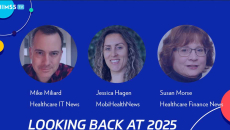
It was a busy year for digital health transformation: regulatory and reimbursement changes, cybersecurity challenges and, yes, a whole lot of AI. Join the editors of the HIMSS Media brands for a look back at an eventful 12 months.

Also, the WA government has invested in a project developing a public hospital AI agent and a system-wide data platform.

A new RFI from the U.S. Department of Health and Human Services is seeking stakeholder input on how to realize artificial intelligence goals and usher in nationwide, clinical-scale adoption of the technology.

The health system uses technology that works with physicians in the EHR to ensure charting is complete and precise. Capturing a more accurate case mix index led to a seven-figure reimbursement boost the first year.

The company's CEO Brigham Hyde discusses the rollout of Atropos' AI Evidence Agent, which can help drive evidence-based clinical decisions by giving care teams access to real-time, patient-specific insights during meetings.