Women In Health IT
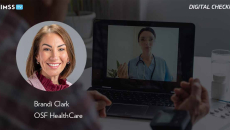
Brandi Clark, vice president, digital care, OSF OnCall, at Illinois health system OSF HealthCare, offers predictions on telemedicine and remote patient monitoring technologies and reimbursement for the year ahead.
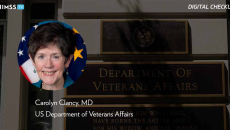
Dr. Carolyn Clancy, assistant under secretary at the U.S. Department of Veterans Affairs, discusses AI innovation in care delivery, tackling medication visibility, cross-utilizing imaging, reducing burdens and how the tech sector can collaborate.
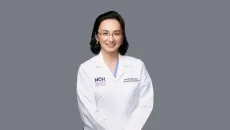
Dr. Dee Dee Wang, cardiologist and section head of cardiac imaging at NCH Rooney Heart Institute, joined MobiHealthNews to discuss a new technology that identifies heart disease years before patients present with symptoms.
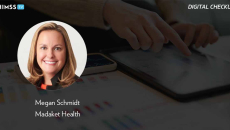
Megan Schmidt, CEO at Madaket Health, says the work of updating provider directories is the responsibility of payers – but much of that work is still being done manually, with mistakes incurring heavy penalties.
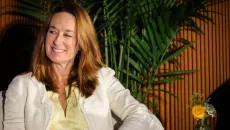
Dr. Lucie Opatrny, president and CEO of McGill University Health Centre, discusses how one of the largest academic health networks in North America implements healthcare technologies.
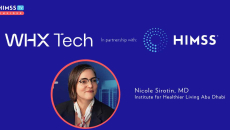
The Institute for Healthier Living Abu Dhabi's CEO, Dr. Nicole Sirotin, says the Institute is developing the world's first longevity care standards to help build a system that rewards keeping people healthier, not treating illness.
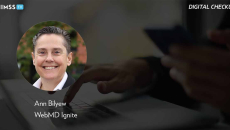
WebMD Ignite President Ann Bilyew shows how fewer people are looking for care through a hospital website, making providers harder to find at the moment patients are deciding where to go.
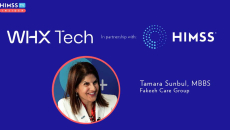
According to Dr. Tamara Sunbul of Fakeeh Care Group, clinicians in the near future will leverage genomic data, AI and gene editing technologies to enable personalized treatments that will keep populations healthier for longer.

Carrot’s Sprints members will have access to sleep, stress, activity and glucose data from Oura and Dexcom, along with clinical guidance to support metabolic fertility care.

Two executives from the St. Louis community health center discuss results of a generative AI pilot designed to enhance interpretation services – extending the reach of multilanguage accessibility to its six FQHCs with large immigrant populations.