Women In Health IT

The health system is finding success with predictive models and LLMs and is "eager to understand and leverage" more advanced use cases, while ensuring they're "safe, secure, ethical and unbiased," says Chief Analytics Officer Kerri Webster, RN.
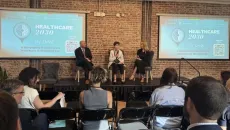
At Healthcare 2030, panelists highlighted successful programs at the VA and other government agencies that included integrating digital tools like remote monitoring and AI scribes.
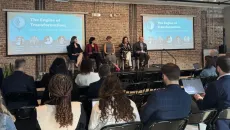
At Healthcare 2030 in Washington, D.C., panelists highlighted debated challenges around interoperability, FHIR adoption and the need for industry-wide standards.

Collaborating on identity verification tech is making it possible for patients to go to TEFCA and get their records, says HealthEx CEO Dr. Priyanka Agarwal. She also weighed in on what's needed to rapidly scale Individual Access Services.

These analyses enable a broader, more inclusive approach to care that helps staff optimize processes, not just for the most obvious cases, but for the entire patient population, explains a nurse deeply involved in the efforts and the technology.

The use of the pain medicine during pregnancy was not associated with children’s risk of autism, ADHD or intellectual disability, report says.

She likes how artificial intelligence is freeing up "brain space" for nurses and is intrigued by how well AI pairs with robotics. But she cautions that, done wrong, AI could depersonalize care while exacerbating staff burnout.

The group says an "unchecked" model would undermine the goal of allowing safety net providers to stretch federal resources.
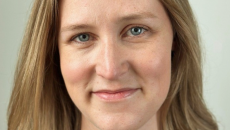
Sonja Fulmer, who had been acting director of the agency's Center for Devices and Radiological Health, is reported to be taking a lead policy role at the Minnesota health technology innovator.

Educators collaborate with preceptors to identify knowledge gaps and create targeted content. Tangible benefits include reducing overtime costs and repeat in-person training sessions – nurses can now review materials when they wish.