Women In Health IT
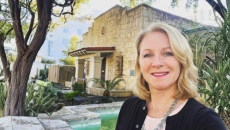
A physician AI expert walks through the correct ways for hospitals and health systems to handle artificial intelligence and where responsible AI can make the biggest near-term impact without creating new burdens.
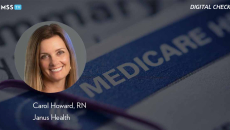
The Centers for Medicare and Medicaid Services says 25% of spending is fraudulent or being abused by providers. Carol Howard, VP innovation and adoption at Janus Health, explains how the new payment rule might help.
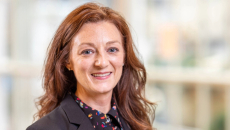
A nurse leader from the Mayo Clinic previews her HIMSS26 session, where she'll show how nurses must be co-creators of systems, not just end users.

Heather M. O'Sullivan, a nurse and leader of MGB's Healthcare at Home program, previews her HIMSS26 session, where she'll show how to identify and prioritize gaps in a home-based acute care model.
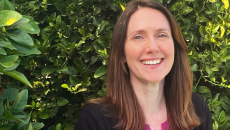
Lacey Jensen, RN, the health system's director of informatics education, previews a HIMSS26 session where she'll focus on the blended learning approach with computer adaptive tools to enhance efficiency and boost knowledge.

Marissa Fayer, DeepLook Medical CEO, says that true patient empowerment depends less on new technology and more on increased availability and affordability as well as culturally sensitive practices that respect patients' needs.

Industry voices discuss where AI will make the biggest impact in the healthcare workforce and which positions may be affected by automation.
Remote Patient Monitoring
Technology could help automatically determine when the billing period ends for electrophysiologists who implant devices such as pacemakers, says Sallie Gustafson, RN, director of medical affairs at Murj.

The Emirates Health Service, according to Dr. Amina Al Jasmi, is using AI to strengthen radiologists' skills and to reduce workload by acting as a second reader that catches subtle findings humans might miss.
Remote Patient Monitoring
Sallie Gustafson, RN, director of medical affairs at Murj, discusses recent survey findings that verified billing is the undisputed top concern for electrophysiologists.