Workforce

The White House unveiled its new National Cyber Workforce and Education Strategy on Monday.

It's not just about "matching wits" with external attackers, but also establishing trust among patients, employees and families, says Kaiser Permanente's Eric Liederman ahead of his appearance at the Healthcare Cybersecurity Forum.

Also, WA Health has started expanding its remote monitoring technology to regional communities.

The rankings looked at factors including salary, potential for upward mobility, stress level and work-life balance.

In its new survey report and implementation guide, the initiative said both HIPAA covered entities and vendors see the legacy TPRM process as a productivity drain, demonstrating a need to create norms around inherent risk and vendor tiering.

By having deep conversations about artificial intelligence's capabilities and limitations, the nine-state health system hopes to help its clinical and IT leaders enable a more responsible path forward for AI deployments.

Many health facilities are already delivering acute and intensive care virtually or at home.
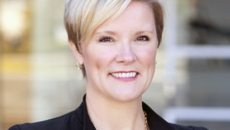
Julie Eastman, RN, has been associate chief information officer at the Orange County health system for the past 18 months. With the promotion, she'll supervise IT operations and lead efforts on telecom, biomedical engineering and more.

Traditional care coordination efforts are labor-intensive and can be variable in execution, but automated orchestration can standardize workflows and help avoid clinician burnout, says Greg Miller, chief growth officer at Lumeon.

GE Healthcare’s latest research shows almost all New Zealand doctors want to work together with patients and believe digital solutions are key, but half of them lack the necessary communication, technology and data capabilities.