Workforce

Healthcare professionals are facing unprecedented levels of stress and fatigue, which run the risk of compromising patient care. Experts at HIMSS23 Europe will explore the role of technology in alleviating the burden and boosting clinicians’ wellbeing.

Virtual care can provide more capacity in near real time for overworked clinicians, says Dr. Lyle Berkowitz, CEO of KeyCare. He advises health systems about finding the right partner to provide that support.

SPONSORED
 |
05:27 pm |
June 01, 2023
|
05:27 pm |
June 01, 2023
|
05:27 pm |
June 01, 2023
Andrea Fiumicelli, CEO of Dedalus, outlines how interoperability and digital healthcare tools such as AI can help control costs, reduce medication waste and prevent clinician burnout worldwide.

Common platform + standard infrastructure + unified support = reduced variability and increased predictability.

Nurse and physician informatics teams should collaborate more on data-driven workflow optimization, says Lisa Stephenson, CNIO at Houston Methodist.

New research found that experienced practice leaders most often cited visit-triage rules and telemedicine-specific staffing and scheduling protocols as two key areas most needed for telehealth implementation and maturation.
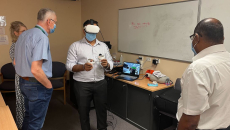
It aims to standardise medical procedures in critical care settings.

DrFirst has developed an AI-powered tool to streamline medication refill and renewal requests, meant to boost patient safety by flagging transcription mistakes. Dr. Colin Banas, the company's chief medical officer, explains.

"VA medical centers still operating the Oracle Cerner EHR need more personnel and resources; not less," said Rep. Cathy McMorris Rodgers, R-Wash.

Digital tools are improving the clinician experience in Seoul, say Dr. Wonchul Cha, CMIO and director of the Digital Innovation Center at Samsung Medical Center, and Dr. Meong Hi Son, vice director of its Digital Transformation Center.