Patient Engagement

MobileSmith CEO Randy Tomlin says mobile technology allows the patient to be engaged, to "clear the red dots" on their phones to be prepared for surgery.

Cisco Systems is taking on the challenge of linking the enormous amount of data generated by EMRs as well as consumer and enterprise devices in the same clinical space, says Brendan Lovelock, health practice lead at Cisco.
Hospitals are deploying the tools to handle low-priority tasks like turning on the TV or closing shades so clinicians can focus on patient care, says Brian Eastwood, content strategist at ReviveHealth and a HIMSS19 Social Media Ambassador.
David McSwain, interim CMIO at Medical University of South Carolina, says the tech has evolved enough that virtual visits now include entire care teams in ways that just aren't possible when clinicians are using phones.
Joyce Sensmeier, vice president of informatics at HIMSS, says tools exist to engage patients with their data in ways that create a good relationship with providers — when the technology doesn't get in the way.
The industry must put patients at the center, use standards like HL7 FHIR and get the entire ecosystem working together, say Kari Hedges, SVP at Blue Cross Blue Shield Association, and Laurent Rotival, SVP at Cambia Health Solutions.
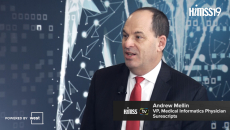
A price transparency service allows providers to make choices that are in the clinical and economic best interests of the patient, says Andrew Mellin, VP and medical informatics physician at Surescripts.

Enabling providers and regulators to focus on patients will improve the quality of care delivered and reduce adverse events, says Michel Amous, regional managing director at InterSystems.
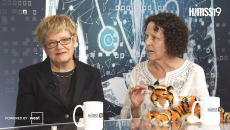
Ursula Hübner with the University of Applied Sciences Osnabrück and Beth Elias with University of Scranton discuss the Technology Informatics Guiding Education Reform and strategic approaches to seamlessly delivering health informatics education.

Revenue cycle management, patient and physician engagement, business intelligence and analytics, pop health and a clinically oriented supply chain are key pieces to patient-centered care, says KLAS VP of Business Development Doug Tolley.