News

Less than a week after a cyberattack caused the Ohio-based health system to shut down some of its care offerings, cancer patients again have access to radiotherapy treatments.
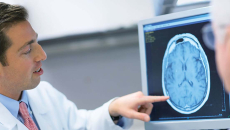
There are more and more neurology patients – but the number of neurologists has stagnated. Dr. Robert Bermel explains how telemedicine is becoming more crucial as neurological conditions get more complex.

It has recently received $22 million in foreign direct investment to launch a national AI program.
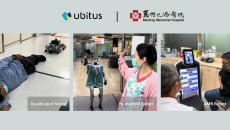
The Taiwanese hospital also looks to expand the generative AI-powered robots across departments.

This speaker for the upcoming HIMSS25 APAC conference says the challenge with digital transformation is more a human problem than a technology issue.
The diagnostic service is powered by AI that has received regulatory approvals in Taiwan and the United States.

It is set to try out the technology with the National University Hospital and Tan Tock Seng Hospital.
Meanwhile, a platform for the secure testing of generative AI has been made available to health professionals.

Empowering patients with a broader and more inclusive view of what's possible can lead to more personalized care, says one CEO. Failing to do so means AI will always fall short of its true potential to support better outcomes.

With prebuilt artificial intelligence tools and open APIs, health systems can use the cloud-agnostic tech to develop and deploy real-time analytics that could improve operational efficiencies and care delivery outcomes.