Analytics

The mission is modernizing data that will improve communities' wellbeing by driving smarter, faster public health decisions, explains Dr. Sameer Vohra, director of the Illinois Department of Public Health.

It has recently received $22 million in foreign direct investment to launch a national AI program.
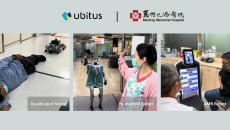
The Taiwanese hospital also looks to expand the generative AI-powered robots across departments.
The diagnostic service is powered by AI that has received regulatory approvals in Taiwan and the United States.

It is set to try out the technology with the National University Hospital and Tan Tock Seng Hospital.

Meanwhile, a platform for the secure testing of generative AI has been made available to health professionals.

There have been many big changes in health and tech policy so far in the president's second term, and there will probably be many more to come. An attorney discusses how health IT developers should be charting strategic course for the years ahead.

Empowering patients with a broader and more inclusive view of what's possible can lead to more personalized care, says one CEO. Failing to do so means AI will always fall short of its true potential to support better outcomes.

With prebuilt artificial intelligence tools and open APIs, health systems can use the cloud-agnostic tech to develop and deploy real-time analytics that could improve operational efficiencies and care delivery outcomes.

Anurag Mehta, Omega Healthcare CEO, says using LLMs to analyze claim denial letters and create tailored appeals can drive efficiency, but humans must always be in the loop to approve or edit the resulting documents.