
HIMSS TV

SPONSORED
 |
06:30 pm |
November 25, 2019
|
06:30 pm |
November 25, 2019
|
06:30 pm |
November 25, 2019
In this virtual tour of Mediclinic Middle East, learn why key stakeholders from doctors to allied health professionals must be involved in the selection and customization process of the EHR to ensure optimum engagement.

The landscape of heart health technology for nurses and patients is evolving, says Nancy M. Albert, associate chief nursing officer at the Cleveland Clinic Health System.

Happify Health's Chris Wasden shares how his company is addressing chronic conditions from a behavior-change perspective to get at the root cause rather than just treating symptoms.

Azizi Seixas, with the Department of Population Health and the Center for Healthful Behavior Change at NYU School of Medicine, talks about using risk assessment tools to close the health access gap.

Ada Health Chief Commercial Officer Jeff Cutler says the company's chatbot came about because many lack provider access but everyone has a smartphone.

Kristin Fabre, senior innovation scientist at the Translational Research Institute for Space Health based at Baylor College of Medicine, says TRISH is holistically looking at astronaut health.
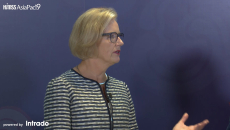
Anne Snowdon, director of clinical research with HIMSS Analytics, says the Clinically Integrated Supply Outcomes Model aims to improve quality and safety through the integration of supply chain and clinical data in healthcare organizations.

AI from a clinical workflow perspective can help relieve the burden on physicians and improve the patient experience, says Mark Anderson, president of HealthPointe Solutions.

Eduardo Cornejo, senior director of digital innovation at Sanofi, describes how the life sciences company decides which information technology vendors to partner with.
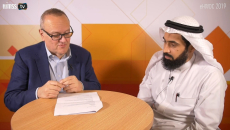
Key to the digital transformation agenda is ensuring that the multiple stakeholders are aligned across the GCC region, says Amr Jamal, chairman of the Family and Community Medicine Department at King Saud University, Saudi Arabia.