HIMSS TV
SPONSORED
 |
06:02 am |
December 17, 2019
|
06:02 am |
December 17, 2019
|
06:02 am |
December 17, 2019
Zettaset COO and CFO Tim Reilly discusses encryption's value to the healthcare industry and why adoption has been a struggle.
Claus Duedal Pedersen, project manager at Odense University Hospital in Denmark, says operational and clinical outcomes have been improved considerably with the effective use of technology.

The industry is embracing consumer-friendly offerings, says Dr. Jacqueline Shreibati, former chief medical officer of AliveCor, who describes the company's mobile ECG technology.
SPONSORED
 |
10:31 am |
December 16, 2019
|
10:31 am |
December 16, 2019
|
10:31 am |
December 16, 2019
RiskRecon uses data science and algorithms to help healthcare organizations identify and focus on the mission-critical issues found in external systems, explains Greg Besegai, the company's regional director.
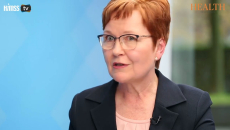
When it comes to using citizen data to improve health outcomes, trust and security are extremely important, explains Sinikka Salo, leader of change with Finland's Permanent Secretary's Cabinet Ministry of Social Affairs and Health Government.

Continuity Health Solutions co-founder and CEO Bryan Poteet shares how the home medical device ecosystem has changed over the past decade.
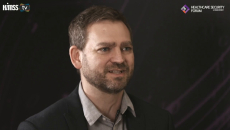
Requiring frequent mandatory changes of complex passwords is no longer the go-to answer for system security, says Adam Kehler, principal consultant and healthcare practice lead at Online Business Systems.
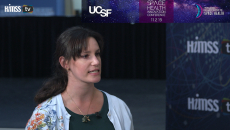
Drew Glaser, postdoctoral fellow at the University of California, Davis, discusses her research using microfluidics technology to simulate conditions that occur in space.
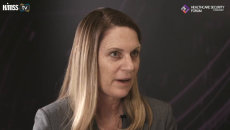
Lorraine Bessmer, senior cybersecurity analyst at St. Luke's Health System, says a lack of third-party cybersecurity standards is hampering hospital-vendor partnerships.

Jörg Studzinski, with HIMSS Analytics, and Jochen Messemer, with McKinsey & Company, discuss HIMSS European eHealth Survey findings, which include telemedicine's growing importance and why the Nordics and Dutch are digital health role models.