
Bill Siwicki
The two-million-square-foot Children's Healthcare of Atlanta Arthur M. Blank Hospital has been built from the ground up with leading-edge technology, everything from artificial intelligence to RTLS to robotics.

A look at the current electronic health record landscape from Joncé Smith from Stoltenberg Consulting – with some best practices for new version upgrades, perspective on enhanced functionalities and tips for staff training to optimize workflows.

By using artificial intelligence to analyze patient data and provide targeted recommendations, health systems can build a more intuitive, user-friendly experience that empowers patients to make informed decisions about their care, one expert says.
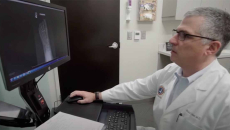
A surgeon at OrthoCarolina tells the story of implementation of just such a system at his practice, integrated with their Epic EHR – and points the way where artificial intelligence can help, not replace, professional coders.
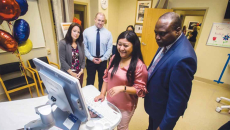
That could completely change the landscape for perinatal care and greatly improve outcomes, says the director of obstetric imaging at Beth Israel Deaconess Medical Center, especially in settings where this was not previously possible.

The healthcare industry must simultaneously guard against technology outpacing its practical uses, says one physician and CIO.

That's what the innovation chief at TruBridge, a member of the Microsoft-backed TRAIN AI consortium, says, as he brings the rural healthcare point of view to the responsible artificial intelligence table.

Remote Patient Monitoring
Only 0.6% of remote encounters managed by the health system's remote patient monitoring vendor's caregivers escalate to Providence clinicians. Hypertension RPM patients saw a 12.55% reduction in systolic blood pressure by week 12.

Remote Patient Monitoring
If the CPT Editorial Panel approves new changes and Medicare and private payers follow suit, providers that expand their remote patient monitoring programs to fit the new codes will gain the most benefits for their patients and clinics.

Success Stories & ROI
The clinician-informed data model answers more than 70% of patient questions correctly, reducing the number of routine questions clinicians need to answer so they can focus on more complex patient concerns. The tool also is helping boost health equity for new mothers.