Workforce

Also, the NSW state is helping foster cultural sensitivity among clinicians through virtual reality training.
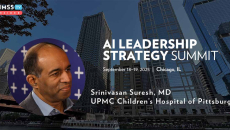
UPMC Children's Hospital tailors its use of custom-built and vendor AI tools to clinicians' actual problems, says Dr. Srinivasan Suresh, with multidisciplinary oversight to help protect vulnerable patients.

And "even though projects have a start and an end date, the work continues," says Epic Emeritus CMIO Dr. Jonathan M. Sternlieb, who offers some lessons from a long career as a physician and clinical informaticist.
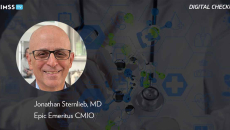
Dr. Jonathan M. Sternlieb, an Epic Emeritus CMIO and longtime informaticist, offers historical context to health IT for newer health IT professionals and takeaways that can foster stronger multidisciplinary IT-oriented teams.

The Ministry of Health embraces AI to maximise the health workforce, says Minister Simeon Brown.

Featuring AI-powered role-play simulations, the app allows learners to practise recognising distress and offering empathetic support.

A private college and its fin-medtech partner are developing Singapore’s first AI-enabled education pathway to train community health coaches in digital tools and data-driven preventive care.

Technology can enable medical education programs to accept more students, even with space or site shortages. It also strengthens compliance and meets accreditation standards – while preparing med students for a digital-first healthcare environment.
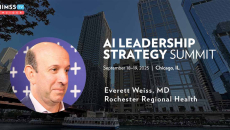
"Why are we using this technology," asks Dr. Everett Weiss, medical director for health informatics at Rochester Regional Health. "How is it helping everyone work more efficiently, at the top of their license? And how is it good for patients?"

Healthcare leaders are bullish about the benefits of artificial intelligence, a new report from Kyndryl shows, but many are still grappling with basic questions around IT infrastructure, cybersecurity, regulations, workforce and change management.