Women In Health IT

Getting clinicians into the digital tool design process can enhance the tools' effectiveness and reduce staff burnout, says Women in Health IT Changemaker Award recipient Hiyam Nadel of Massachusetts General Hospital.
The MITRE Center for Transforming Health's Susan Hull discusses working with diverse communities for over 20 years of involvement with HIMSS to streamline clinical workflows and restore a focus on patient care.

Women's health innovation remains significantly underfunded and requires rethinking how capital is deployed, how startups scale and how value in women's health is measured.
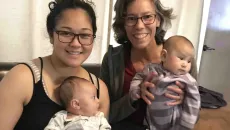
The infant feeding support program operates on a $150,000 annual budget.
Improvements to clinical workflows are more likely to come from clinicians who are confident with new tools than from top-down mandates, says Dr. Meong Hi Son, Samsung Medical Center CMIO, in Part 2 of our interview.

Success Stories & ROI
The rural health system has seen a significant reduction in employee turnover with the technology – an impressive feat, given national workforce challenges.
HIMSS maturity models have helped the hospital fill its IT gaps, but an engaged workforce, educated in digital tools, keeps the innovation momentum going, says Dr. Meong Hi Son in Part 1 of our interview.
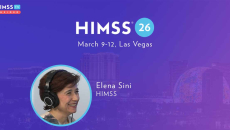
Nationwide coordination and European Commission funding are helping Italy to shift from fragmented regional healthcare to a single digitized strategy, says HIMSS Board Chair Elena Sini, group CIO at GVM Care and Research.

The hybrid doula-focused care platform will use the seed funding to scale nationwide.

A central challenge today, says Dr. Patsy McNeil, is how to implement artificial intelligence in ways that measurably strengthen clinical workflows and workforce sustainability while upholding rigorous bioethical standards and protecting patients.