Quality and Safety

It's the gold standard for analytics today, says Dr. Ryan Bosch of Acentra Health and a health system veteran – a proven model of care and data that can drive technical, clinical and business success.

At HIMSS26, a clinical informatics leader from the University of Maryland Medical System will describe how the organization's EHR-linked, rule-based technology helps ensure clinical notes get to the providers who need to see them.

More focused collaboration among stakeholders can help bolster community health, says Kirk Mathews of the Missouri Medicaid Transformation Office ahead of his presentation at HIMSS26.
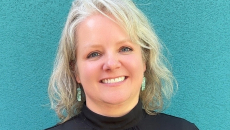
In a preview of her HIMSS26 session, Dr. Kari Yacisin also explains how health systems must assess their readiness for new AI tools and advocate for responsible, ethical adoption that supports healthcare's focus on humanity.

The public-private effort offers practical examples, common language and reusable tools Medicaid organizations can adapt for their own needs. It's all meant to help states move from uncertainty to confidence with AI.
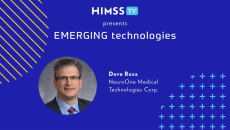
The electrode technology is designed to improve neurological care for patients with motor issues and pain, using thin-film, flexible electrodes implanted on the brain. Dave Rosa, CEO of NeuroOne, explains.
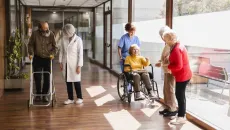
More than 2,000 post-acute facilities will have the opportunity to access admission, discharge and transfer data integrated into a patient's longitudinal record, according to the Cheese State's designated entity for health information exchange.

Success Stories & ROI
Hartford HealthCare and MIT codeveloped H2O, an analytics platform using machine learning to optimize hospital operational efficiency including improving length of stay and staffing efficiency.
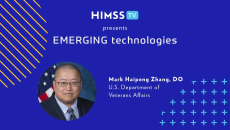
VA Puget Sound Health Care System's X_Labs is pioneering 3D-printed bone grafts. Dr. Mark Zhang, acting assistant under secretary for health at the U.S. Department of Veterans Affairs, shows how.

Primary care physicians can prioritize conversations on heart disease, diabetes and cancer, and frame them around the need for whole-person health. Brain health deserves the same approach, and new technologies are making it easier, says Dr. Julie Wood.