Quality and Safety

In its annual Top 10 list of health technology hazards, the patient safety group puts AI bots at the top – with blackouts, communication failures and other cyber risks close behind.

Success Stories & ROI
New York Cancer and Blood Specialists embedded platform for structured digital data collection in platform for in-room education and gained numerous efficiencies.

Michael Collins of Wellstar offers a preview of his HIMSS26 session, which aims to equip leaders with proven approaches to accelerate adoption, reduce resistance and help their organizations realize the full value of their investments.

Concept Realisation's Nasser Massoud says GCC digital health success depends on patients trusting technology, regulators supporting innovation sans safety risks and insurers paying providers fairly for telehealth services.

Michael Abrams of Numerof & Associates explains the need for the U.S. Food and Drug Administration to move faster on healthcare artificial intelligence governance, and why its drug development validation process is a good model.

The guidance allows for different levels of transparency depending on whether artificial intelligence is used in direct patient interactions or in background administrative functions.
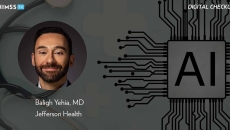
Its president, Dr. Baligh Yehia, says the Philadelphia health system has committed to returning 10 million hours back to patient care over the next three years using AI.

Clinical informatics leaders at HIMSS26 will highlight some governance strategies and implementation best practices that could help ensure these in-demand AI charting tools are delivering value for clinicians and other stakeholders.

The popular AI tool for healthcare professionals may also soon come to public outpatient clinics in New Zealand.

The vice chair of practice transformation in radiology at Penn Medicine previews a HIMSS26 session that offers a look at best practices for governance of artificial intelligence from departments.