Quality and Safety
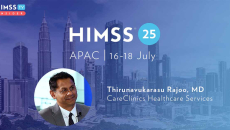
Digitalisation enables preventive medicine, which is always cheaper than curative medicine, says CareClinics Healthcare Services CEO Dr Thirunavukarasu Rajoo.

The discovery of a hole in the heart of Stran Smith, Pro Rodeo Hall of Fame roping champion, led to a personal healthcare journey, including experimental treatment that helped him return to the rodeo arena and continue his championship career.

Developed at Children's Hospital of Eastern Ontario, the innovative tool can scan EHRs and spot data that might identify kids with undiagnosed or rare conditions. It helps refer them for genetic testing sooner, giving them more personalized care.

According to the Gloucestershire Acute NHS Trust's Matthew Little, involving nurses in defining problems at healthcare organizations and exploring ways to solve them can help improve care delivery and patient outcomes.

New research uses a brain stimulation device to help patients with treatment-resistant depression. Dr. Joshua Eloge, associate director of the Rush Woman's Board Depression Treatment Research Center, and Jenn Wong of Abbott, explain.

Dr Tamara Sunbul, CIO of Fakeeh Care Group, emphasised certifications and training in telemedicine.

The new plan directs the U.S. Department of Commerce to revise artificial intelligence risk management frameworks, which could undo protections that might be seen as "woke" in order to do business with the federal government.

Success Stories & ROI
76% of active, schedulable employed provider profiles are now well-configured, 79% of employed providers are configured with clinical keywords for improved search relevance, and the platform has led to streamlined workflows and operational efficiency.

Earlier this month in Brooklyn, HIMSS informatics leader Rob Havasy joined us for a discussion about the excitement and challenges he sees as health systems scale up their adoption and deployment of new AI tools.

"Even if these systems are right 80% of the time, that still means they're wrong 20% of the time," says tech CMO Dr. Jay Anders, who describes the risks of artificial intelligence errors and outlines some protection strategies for providers.