Electronic Health Records (EHR, EMR)
For much of the history of modern medicine, the model has been that patients go to the hospital or physician to receive treatment. This works well when all of the tools needed to solve a health problem are concentrated in one location.
There are some things that an MRI machine or a ward of specialists can't fix though. Food insecurity, lack of reliable transportation, even levels of literacy and education are all factors that can lead to the types of hospital visits that quickly become expensive.
Addressing these upstream factors, known as social determinants of health, requires healthcare systems to look outside of their traditional realms and roles.
Cindy Gaines, RN, chief nursing officer at Philips Population Health Management, says that a hospital can't solve every problem in the world but it can broaden what it looks at and whom it works with.
Data to target, not overwhelm
Hospitals need to know what the needs of their population are before they can start finding ways to address them. Gaines says that a community health assessment is an important place to start, followed by other publicly available health data.
While trying to address social factors without targeting the needs of specific populations won't get very far, neither will overloading with data.
Start with what you have is her advice. "SDoH surveys can be really long and overwhelmed with data," she says. "Even using ZIP code data, you can learn a lot about a community."
Seek out partnerships
"We take action one patient at a time when we're in the office," says Gaines, who says practitioners might interact with patients who need to make a choice between paying their electricity or their medical bill – and never know.
Instead, hospitals need to partner with organizations that fall outside of the healthcare realm. Gaines says she's seen hospitals partner with or even create farmer's markets or food pantries in food deserts. She notes one health provider sponsored a public bike program in one town to address things like obesity and low exercise rates.
Making an impact on SDOH means "really being creative about what we want to do" and then finding the right places in the community to partner with or support, says Gaines.
Better understanding a patient population and identifying upstream solutions place the hospital in the role of the coordinator. Focusing on the goal of keeping communities healthy means that communicating better with other providers and outside organizations will help target and address underserved populations.
Knowing where to look for data as well helps healthcare providers start to develop standards for how to connect those in need with the services that can help them. When better information about patients and situations that impact their health become clear, hospitals can effectively build partnerships and help address environmental factors.
Something as simple as identifying patients with transportation needs and providing rides for them to reach an appointment can lead to a huge decrease in spending.
"It takes a community to address the social determinants," says Gaines. "It isn't a hospital going out and changing the world on its own."
.jumbotron{ background-image: url("https://www.healthcareitnews.com/sites/hitn/files/u2556/SocialDeterminantJumbotron.jpg"); background-size: cover; color: white; } .jumbotron h2{ color: white; }
Focus on Social Determinants of Health
In September, Healthcare Finance News, Healthcare IT News and MobiHealthNews will take a look at the SDOH and how varied health systems, IT companies, Congress and others are addressing it.
Benjamin Harris is a Maine-based freelance writer and former new media producer for HIMSS Media.
Twitter: @BenzoHarris.
Momentum for more forward-looking SDOH initiatives is building across healthcare, as stakeholders recognize the key role of socioeconomic factors, environment and community in better health and wellness. But unlocking ROI will take some work.
The mission control, built in collaboration with GE Healthcare, will help the health system manage patient decision support across nine Florida hospitals.
Five experts in healthcare quality and safety technologies offer CIOs and other health IT workers in-depth tips and best practices for implementing these tools effectively.
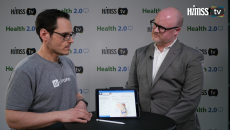
Daniel Kivatinos, COO and co-founder of DrChrono, gives a rundown of his company's mobile EHR platform and demonstrates how it works on either a tablet or smartwatch.
The portal can send an SMS message with a link to an electronic letter containing exam results, which can be securely downloaded as a PDF onto the patient's smartphone.
The investment will help cloud-based electronic health record and practice management tool for physical therapists expand and innovate its product offerings, as rehab expands its place in the wider continuum of care.
VHA medical facilities have a cumulative medical document backlog equivalent to more than five miles of stacked paper, with nearly 600,000 electronic files dating back to 2016.
It’s the beginning of a move to the next generation of AI-based tech, which will take a multi-party colloquial conversation between the clinical team and the patient to create a narrative and structured data, eliminating the keyboard from the surgical room completely, the company said.

Dr. Doug Fridsma, AMIA's president and CEO, gives his views on new ONC regulations covering full export functions.