Artificial Intelligence
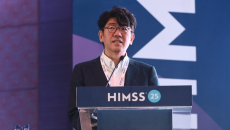
Samsung Medical Center CIO and professor Wonchul Cha emphasises that AI implementation is one part of an overall digital transformation.

With synthetic data, innovation doesn't have to come at the cost of privacy – synthetic data enables hospitals, health systems and others to unlock new capabilities while keeping patient trust intact, a healthcare analytics expert says.

Innovaccer, Palo Alto Networks, Samsung and others are using artificial intelligence to improve patient access, enhance urgent care and home health with clinical insights, position mobile health data for consumption, and secure agentic AI integrations.

Developed at Children's Hospital of Eastern Ontario, the innovative tool can scan EHRs and spot data that might identify kids with undiagnosed or rare conditions. It helps refer them for genetic testing sooner, giving them more personalized care.

Dr Chung-Kan Peng, deputy superintendent of Taiwan's Tri-Service General Hospital, is developing a mobile integrated AI system to detect and predict cardiac events like strokes and arrhythmias.
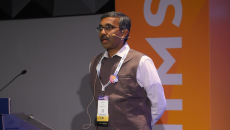
There are still risks that hospitals must keep in mind when setting up AI-powered defence systems, according to a private hospital chain's CIO.

The patient communication system powered by artificial intelligence handles routine calls, making way for life-and-death calls for matters like organ transplant to quickly get through to people who can make a difference.

The 1,600-bed teaching hospital is also expanding telemedicine access and piloting hospital-at-home service, says digital health head Dr Ong Tek Aik.

With Nvidia Blackwell architecture, the health system says it can further develop foundation models that tailor treatments to individual patient characteristics, analyze pathology images and accelerate the development of new therapies.
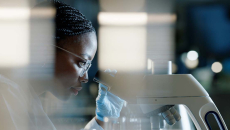
At NeoGenomics, early outcomes support faster turnaround for results, a marked increase in throughput and high satisfaction rates among pathologists interpreting next-generation sequencing results.