Artificial Intelligence

The cloud IT vendor said it now gives patients a no-login, digital identity-based access system to exercise greater control over their health data.

IRCCS IRST Dino Amadori's Nicola Gentili says TRUMPET, FLUTE and ONCOVALUE, projects leveraging federated learning and analysis, will lay the foundation for interoperability and privacy-protecting use of data across Europe.
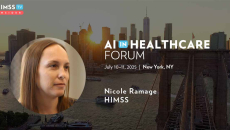
Nicole Ramage, senior market insights manager at HIMSS, discusses some recent research and highlights some reports to look out for soon.
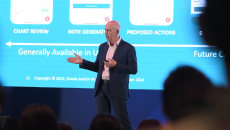
The future of EMR systems is powered by AI, according to Oracle Health APAC's chief clinical CIO Michael Draheim.

Implementing wearable devices and AI technologies across its facilities in Banten is part of Bethsaida Healthcare's ongoing transformation, says corporate IT head Hasan Widjaja.

The new plan directs the U.S. Department of Commerce to revise artificial intelligence risk management frameworks, which could undo protections that might be seen as "woke" in order to do business with the federal government.
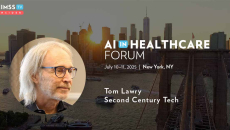
Too few healthcare organizations are getting adequate ROI on their artificial intelligence investments, says Tom Lawry, managing director of Second Century Tech. He offers some perspective on achieving value enterprise-wide.

It has helped two big hospitals in Saudi Arabia to get their EMR system validated for Stage 7 of the HIMSS EMRAM.

While AI technology continues to generate hype in the digital health space, thought leader Gary Monk says applications that can help solve real-world problems are the most interesting and valuable to healthcare stakeholders.

The success of hospitals using a free PPH risk assessment algorithm and other tools that aid early detection and treatment of hemorrhage after childbirth – the primary cause of U.S. maternal morbidity rates – is driving a new tech integration initiative.