Artificial Intelligence

Patients in the largely rural pediatric population now have a better office experience and more personalized treatment with artificial intelligence, says VCH's physician informatics director.

SPONSORED
 |
09:24 am |
September 22, 2025
|
09:24 am |
September 22, 2025
|
09:24 am |
September 22, 2025
Combining EHR data with clinical AI is giving hospitals a new edge.
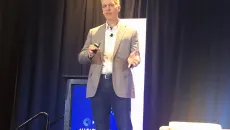
"It's a myth that providers are against new tools and technology," says Thomas Osborne, CMO at Microsoft.

As are proof of effectiveness, transparent models and reliable data, says Scott V. Anderson, pharmacy informatics and technology liaison at the American Society of Health-System Pharmacists. He digs into these topics and much more.

Nearly seven in 10 hospitals were using predictive artificial intelligence in 2024, with a surge in the use of third-party or self-developed automated billing, the agency says. Also, hospitals slower to adopt AI are lower-resourced, suggesting a divide.

A deep dive into where these technologies may be headed – and challenges healthcare organizations must overcome – from Michael Orlando, corporate and IP transactions attorney at Sheppard Mullin and a member of the firm's digital health team.

Pelu Tran, Ferrum Health's CEO, says a point solution approach for scaling health AI "doesn't really work when you're dealing with every possible disease, patient or service line" needing AI, and favoring one LLM may also limit future coding.
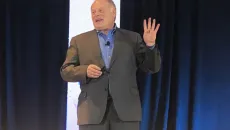
HIMSS AI Leadership Strategy Summit is aimed at executives looking to deploy AI while managing the risk.

The House passed a bill to modernize the Veterans Affairs' claims process by creating an artificial intelligence tool to retrieve data, provide decision support, share information and generate claim-related correspondence.

Success Stories & ROI
The St. Louis-based health system achieved a 15%-20% increase in diabetic retinopathy screening. And individuals in lower socioeconomic groups were more than 2.5 times as likely to be screened as a result of using the technology.