Artificial Intelligence
The tool can help health systems optimize submissions and better predict potential issues with claims, the company says, giving recommendations to help mitigate denials before they're submitted.
A new study from the company explores the ways its algorithms can be put to work improving risk scoring and stratification and enhance value-based care initiatives.

One of the most common data analytics questions from providers is how to operationalize machine learning and artificial intelligence, says Rob Wellen, regional vice president at KenSci.
46 participants spoke common drug names to Google Assistant, Siri and Alexa, and results varied. More R&D is needed, experts say.

FarmaTrust CEO Raja Sharif says blockchain ensures greater data integrity in areas such as AI, analytics and regulatory reporting, which can increase public confidence in the use of data.
"We think every problem can be solved with machine learning," says one AI and analytics expert. "That’s not the case."
Developed by Pensiamo, the CognitiveRx tool monitors market demand and uses machine learning to help maintain inventory levels during drug shortages.
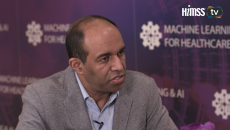
Srinivasan Suresh, MD, VP at UPMC Children's Hospital of Pittsburgh, says start with engaging the clinicians and have a team to standardize care to reduce variation for measurable changes.
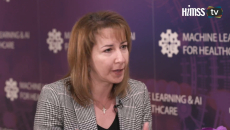
Tina Esposito, chief health information officer at Advocate Aurora Health, says her organization's data and analytics heart failure pilot realized a 23 percent reduction in utilization.

SPONSORED
 |
03:27 pm |
June 18, 2019
|
03:27 pm |
June 18, 2019
|
03:27 pm |
June 18, 2019
Ilia Tulchinsky, engineering director at Google Cloud Healthcare & Life Sciences, explains how an ecosystem of applications that include APIs could enable the free flow of innovation.