Artificial Intelligence
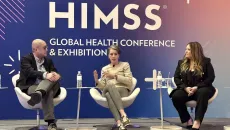
During a discussion at HIMSS26, panelists described the collaborative approach to designing healthcare spaces with real impact.
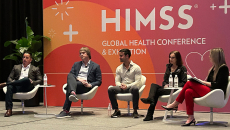
Some providers are still in the very early stages. Others are spending big on shiny objects. Still others are well off to the races, with mature deployments enabling robust ROI. Where are we in the AI hype cycle? It depends, said panelists at HIMSS26.
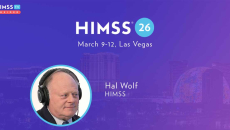
All HIMSS events offer education, networking and innovation. But each gathering tailors content to regional policy and topics concerning the host country's healthcare ecosystem, explains HIMSS CEO Hal Wolf.
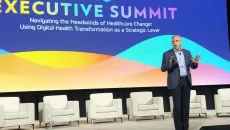
To do more than survive the headwinds, reposition the organization to reach the goal, Banks told the crowd at HIMSS26.

Rethinking how data is used is essential for health systems as they face workforce shortages and an aging population.
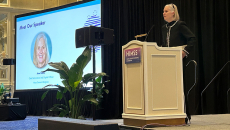
At the HIMSS26 AI in Healthcare Forum, MGB's chief information and digital officer described strategies for governance, safety and sustainability as it strives to integrate artificial intelligence across all corners of the health system.

One system uses spoken information to auto-queue structured prescription orders directly into the EHR for clinician review and approval. The other enables pharmacists to quickly identify medication orders that warrant closer review.

The industry's anxiety is concentrated at this intersection, says Phil Sobol of health IT consulting firm CereCore. Here's what hospital and health system IT leaders can be doing to tackle the challenges.

Healthcare now is entering a more mature phase of AI where psychological and practical human challenges are no longer theoretical but the new operational reality with which IT professionals must contend, Altera Digital Health AI exec says at HIMSS26.

Dr. Peggy Allen, a pediatric anesthesiologist at Akron Children's Hospital, offers tips for physicians and nurses on the frontlines of healthcare delivery on how they can use their EHRs to better serve patients.