Artificial Intelligence
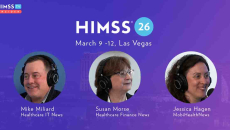
Dr. John Halamka's HIMSS26 opening keynote explored the possibility of AI becoming the standard of care. Executive editors of Healthcare IT News, Healthcare Finance News and MobiHealthNews discuss that and other hot topics from the event.

A doctor-tech leader from India argues that genomic data infrastructure, resistance forecasting and sovereign AI discovery tools will be critical to future regional pandemic response.
According to HIMSS CEO Hal Wolf, "thriving" was the theme of HIMSS26's first day, as speakers addressed how health systems can stay resilient and innovate despite challenges.
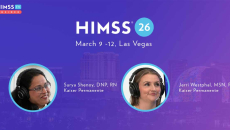
To ensure new AI products support nursing workflows rather than force nurses to adapt to the technology, include nurses in the development process, Kaiser Permanente's Surya Shenoy and Jerri Westphal advise.
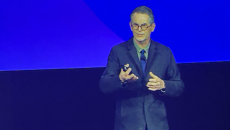
AI-augmented clinicians could soon be the expected norm, said the Mayo Clinic health IT pioneer. But there will always be plenty of other challenges to solve. "And that doesn't mean we're going to need fewer radiation oncologists."
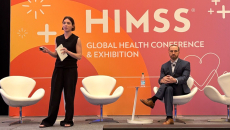
A multi-artificial intelligence agent architecture triggers high-risk patient advanced care planning to improve clinical workflows and patient experiences, while integrating critical human steps for action.
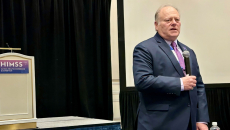
Healthcare leaders must ensure tech investments are paired with organizational changes that enable new workflows, Hal Wolf said at HIMSS26. He added nurses are likely to play an important role in shaping how digital tools evolve.
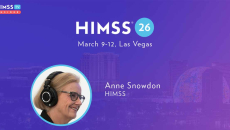
Predictive analytics boost AI tools and help patients and clinicians connect. However, HIMSS Chief Scientific Research Officer Anne Snowdon says that, globally, only about 30% of analytics capacity has been realized.
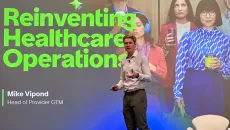
AI exposes chaos when fragmented data and broken workflows become more visible during automation, says Michael Vipond of ServiceNow.
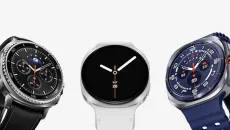
At HIMSS26, Verily Life Sciences announced a partnership with Samsung Electronics to combine Galaxy Watch8 with Verily's precision health platform to further clinical research.