Precision Medicine
The findings suggest AI systems can be trained to detect and grade cancer in prostate needle biopsy samples with an accuracy rate equal to that of prostate pathology experts.
Innovation
Three experts from different areas of the health IT field discuss how artificial intelligence is going to play a larger role in the year ahead.
Cloud Computing
A study published in Nature suggests its model was able to spot cancer in de-identified screening mammograms with fewer false positives and false negatives than experts.
The pharma company will work with MIT's School of Engineering to establish an education program focused on developing new machine learning approaches to drug development and more.
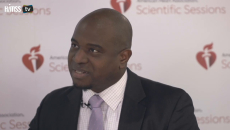
Azizi Seixas, with the Department of Population Health and the Center for Healthful Behavior Change at NYU School of Medicine, talks about using risk assessment tools to close the health access gap.
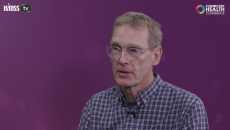
Speaking from experience, Bradford Power, founder of Reengineering Cancer Treatment and an author focused on process improvement, discusses the ways oncology treatment needs to become more personalized.
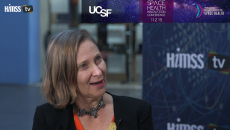
Dr. Annette Sobel, professor at Texas Tech University and board member at the Translational Research Institute for Space Health, talks about the research of human physiology and human factors in space medicine.
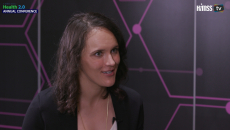
Erin Trimble of 23andMe discusses the value of polygenic risk scores, making genetic information actionable for better health and equipping primary care providers to talk with their patients about genetics.
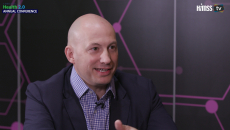
DayTwo's metagenomics and gut microbiome database helps connect diabetics and others with evidence-based "food-as-medicine" treatment regimens, says President Josh Stevens.