Precision Medicine
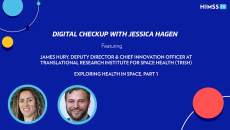
Health and technology innovators are studying astronauts' health to advance terrestrial healthcare. James Hury, deputy director and chief innovation officer at the Translational Research Institute for Space Health, explains how.

Personalized medicine is constantly evolving, and the technologies it relies on are advancing rapidly. In this environment, the associated challenges are numerous and complex. Overcoming them often requires fresh eyes and multiple perspectives.

With pharmacogenomics now common in primary care, and an array of specialties using genetics, Dr. Joel Diamond of 2bPrecise says precision medicine is ready for prime time.
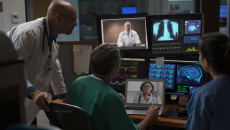
AI, augmented reality, biomedical sensors and beyond – by mapping out a clear vision now, we can widen our ambitions and improve modernization strategies to better harness the vast potential offered by technology advances.

Dr. Maulik Purohit, clinical innovation lead for transformation at University Hospitals, discusses tech strategies, patient communication and the challenges of clinical genetics and population health genomics.

Deep Dive: Many adults with a mental illness won’t be able to access care, during greater levels of anxiety and depression during COVID-19. Digital tools can help.

HIMSS21
Sirj Goswami, CEO and cofounder of InsightRX, discusses determining proper dosages for individuals.

This week's top stories include workers at Tenet Healthcare hospitals securing better pay after striking, Inspiration4 testing the impact of spaceflight on the body, and scientists highlighting gaps in telemedicine.

This is the second article in a series regarding process-based opportunities as the healthcare industry begins to emerge from the challenges of the pandemic.

It's important to provide diverse offerings for different surgical training use cases, says FundamentalVR CEO Richard Vincent.