Population Health
Innovation
Three experts from different areas of the health IT field discuss how artificial intelligence is going to play a larger role in the year ahead.

Ipsit Vahia, medical director at McLean Hospital, discusses how data and tech can help with early interventions in conditions such as dementia, depression and loneliness.

HopeLab President and CEO Margaret Law describes the impact omnipresent connectivity has had on younger generations, as well as the tech-based tools that are helping negate it.

It's never too early to tackle lifelong heart disease prevention, says Dr. Animesh Tandon of Children's Health in Texas.
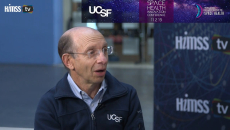
Focusing on the health of humans leaving the planet pushes our current capabilities, says Dr. Dan Lowenstein, executive vice chancellor and provost at UCSF.
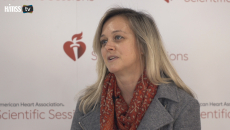
Heather Provino, managing partner of The Scanlon Group, explains why the last few years in particular have been exciting for population health's digitization.
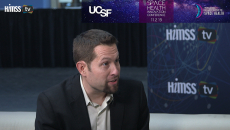
Gaming can be used to prepare for space health emergencies, says Level Ex founder and CEO Sam Glassenberg, who demonstrates the VR technology involved.
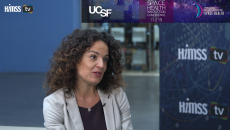
Data from her research on animals can help assess cognitive health risks of deep space travel, says Susanna Rosi, professor of physical therapy at UCSF.

Fundamental issues related to executive support, staff buy-in and patient risk stratification need to be understood and addressed before machine learning applications can help with population health goals.

Azizi Seixas, with the Department of Population Health and the Center for Healthful Behavior Change at NYU School of Medicine, talks about using risk assessment tools to close the health access gap.