Clinical

Just like airline pilots, physicians will come to rely more on automation – but pilots and doctors always will be needed, MedPearl's physician founder says.

Most health systems experienced a cyberattack in the last year, the new Ponemon Institute report shows, with 69% of victims citing poor patient outcomes. Business-email compromise and ransomware were reported to be the biggest culprits in care impacts.
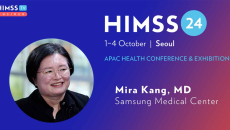
The 2024 HIMSS Davies Award is another feather in Samsung Medical Center's cap. CMIO Dr Mira Kang discusses.
Once they're found, "we can systematically improve processes," says the health system's patient experience lead, helping move the needle on quality improvement, team member engagement and more.
Nursing and IT
Hadassah Backman, RN, is a nurse CEO who says artificial intelligence could do a lot to help RNs with relentless documentation burden, while also helping organizations boost revenue and improve compliance.
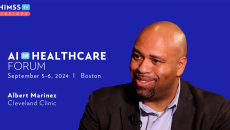
Cleveland Clinic Chief Analytics Officer Albert Marinez says generative AI holds huge potential, but a lot of challenges can still be solved with machine learning and predictive analytics.
They recognize the promises of faster diagnosis and easier access to treatment and cost info, says Mark Polyak, president of analytics at Ipsos. While they're comfortable with AI for administrative tasks, they're wary of clinical applications.
"It's a disruptive technology, and we're all trying to figure it out," says Dayton VA Medical Center HTM Service Chief Zachary Arose. He discusses research applications, imaging innovations and operational efficiencies.

John Meiners, chief of mission-aligned businesses and healthcare solutions for the AHA, says it has "transformative capability" to improve knowledge and insights for cardiology research and clinical guidelines.
Large language models are "enabling a new level of patient empowerment" by helping people understand clinical notes, navigate insurance claims and much more, says Dr. Chethan Sarabu, AI and informatics strategist at OpenNotes.