Artificial Intelligence
The pharma company will work with MIT's School of Engineering to establish an education program focused on developing new machine learning approaches to drug development and more.
Innovation
As artificial intelligence and robotic process automation are more widely deployed, they will help rehumanize medicine by allowing doctors to focus less on paperwork and administrative functions, and more on patient care.
The NYU School of Medicine’s technology enables radiologists to see images the way they currently see them, then, if they deem necessary, ask the AI for its opinion. Results to date are impressive.
Emerging Technology
Forward-looking provider organizations are looking to tap into the benefits of deep neural networks and other forms of data-driven analysis.
Automated sig translation system created time savings of 34 hours per month for clinicians, translating into about $11,000 in recaptured nursing productivity over 12 months. Further, 30-day readmission rate fell from 6.2% to 5.5%.
Emerging Technology
These trends in the new year ahead will see healthcare provider organizations innovating solutions and practices to improve healthcare, one expert predicts.
A broad look of HIT-related developments in the APAC region in 2019, as well as a glimpse of what might happen in 2020.
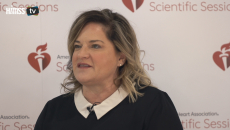
physIQ extracts raw sensor readings from sensors, according to Karen Larimer, the company's director of clinical development, who highlights the takeaways for clinicians.
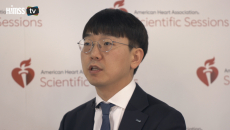
Hyunho Park, medical director of South Korean startup Vuno, discusses recent academic projects employing algorithms and how similar technologies are making the jump into care.

Dr. John Halamka, newly named president of Mayo Clinic Platform, shares his five-year cybersecurity forecast – and discusses his new gig.