Artificial Intelligence

Alex MacLeod, manager of HealthShare Commercial Initiatives at InterSystems, talks about the key areas where AI is expected to advance healthcare in the coming years.
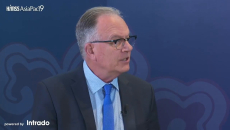
Increased demand is changing the business of hospital management; tech advances around supply chain and machine learning can help, says Peter Faulkner, CEO of Bendigo Health, a large regional health service in Victoria, Australia.

Hal Wolf, president and CEO of HIMSS, says using AI infused into clinical decision support can provide healthcare professionals and patients/consumers with the right information pathways and treatment plans to enable better care outcomes.

Gyant CEO Pascal Zuta describes how his company's AI platform can help physicians perform tasks only they can do, thus improving workflow.

SPONSORED
 |
12:11 pm |
October 29, 2019
|
12:11 pm |
October 29, 2019
|
12:11 pm |
October 29, 2019
Promising AI tools can enable physicians to perform more effectively across the work that they do, says Dr. Jesse Ehrenfeld, board of trustees chair for the American Medical Association.

The Mayo Clinic's new 10-year partnership with Google Cloud aims to look for the next breakthroughs that diagnose and treat complex and serious illness or conditions more effectively, says CIO Cris Ross.

LogixLab's AI-powered diagnostic tool is helping innovate approaches to medical imaging, says Dr. Mohd Hanif Abdul Gaus, the company's director of health technology.

Machine learning can improve outcomes and reduce unnecessary spending, says Accredited Health CTO Mark Plaskow.

Dr. Steven Charlap, CEO of GeneYes, a digital health startup aimed at giving physicians greater insights by improving data management capabilities, says, "We need to redefine what is a doctor."

James Vlahos, contributor to Wired and other magazines, describes how the Dadbot conversational chatbot provides a sort of "digital afterlife."