News
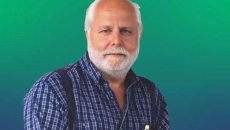
The IT pioneer launched the electronic health record company in 1969 after graduating from MIT and working as a programmer at Massachusetts General Hospital.
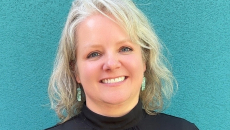
In a preview of her HIMSS26 session, Dr. Kari Yacisin also explains how health systems must assess their readiness for new AI tools and advocate for responsible, ethical adoption that supports healthcare's focus on humanity.
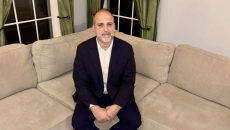
The public-private effort offers practical examples, common language and reusable tools Medicaid organizations can adapt for their own needs. It's all meant to help states move from uncertainty to confidence with AI.

The partnership allows individuals to access an at-home preventive health test and, if needed, connect to One Medical’s hybrid primary care services for ongoing treatment.
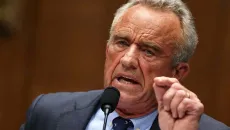
The $600M in no-cost and discounted technology products and services will also aid in the broader modernization of Medicaid systems, CMS says.
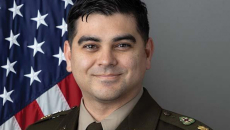
"A significant portion of any leadership role is explaining the 'why' and 'how' of a change to diverse audiences," says Bruce Barnes of Brooke Army Medical Center, ahead of his HIMSS26 presentation on the value of higher education.

The HHS office is seeking public input on whether the adoption of technical standards and health IT certification criteria would improve how medical images are accessed and exchanged.

The Future Communities Institute and its partners in the San Francisco Bay Area plan to use AI to act as a force multiplier for street medical teams that help to improve patient outcomes and social referrals for the region's homeless.

Encouraging healthcare consumerism among the young should be another goal, says Greg Farnum, who works in federal strategic advisory at Audacious Inquiry. He digs into these three issues for the year ahead.