News

Also, the University of Queensland is testing aphasia therapy via telehealth.
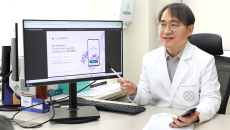
Korean university hospitals have upgraded digital services, while Hong Kong's Hospital Authority have expanded health-related digital certificates.

"It's coming at them at a very fast pace," says Broward Health CIO Steven Travers, who advises healthcare organizations to ensure new tools fit both what an organization is trying to accomplish and the existing processes of frontline staff.

The payer says its initiatives will stabilize the financial health of independent rural hospitals and improve patient access to care.
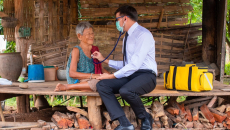
It serves as a clinical decision-support tool providing structured clinical workflows for managing outpatients at sub-health centres.
Hospitals must balance financial pressure with clinician wellbeing as cost-first strategies are linked to burnout.

Backed by the "Godmother of Silicon Valley," Esther Wojcicki, and former Google product executive Mary Minno, Treehub aims to fund and help build companies from academic founders while drawing on Wojcicki's legacy of shaping Silicon Valley leaders.
To bring novel precision evidence to existing workflows, the company said its growing medical library is accessible through more artificial intelligence-driven clinical technologies from Meta, Heidi Health, Humata and others.

Success Stories & ROI
"Our work highlights how combining clinical expertise with real-time data systems and automated digital tools can improve care for some of the sickest children in the hospital," says its clinical informatics specialist.

Technical barriers, workforce limitation, privacy concerns and cost may all contribute to lower rates of electronic exchange of health information by mental health and substance abuse treatment facilities, a new analysis shows.