Workforce

Through Epic, KeyCare is expanding access to all types of care providers by partnering and coordinating with health systems rather than competing against them, says the virtual care company's CEO Dr. Lyle Berkowitz.

That's according to the health system's CMIO and interim chief digital and information officer, who offers an overview of how – and where – he sees artificial intelligence and automation having the most potential.

Also, South Australia is introducing free virtual mental health support for young people.

In some ways, AI could achieve the same accuracy as physicians sooner rather than later. And some aspects of clinical care may migrate away from physicians, says Mount Sinai's interim chief digital and information officer.

Healthcare organizations should assess their security risks and be ready to defend against the types of cybercriminals that have recently impacted the industry, says Dave Bailey, VP, Consulting Services, at Clearwater Security.

Hear from a 2024 NursePitch winner about her entrepreneurial journey.
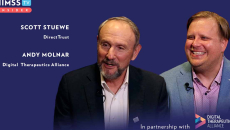
The goal is to move digital therapeutics forward by ensuring validation and accreditation in healthcare, say Scott Stuewe, president and CEO of DirectTrust, and Andy Molnar, CEO of the Digital Therapeutics Alliance.

Despite challenges such as data privacy concerns and the need for seamless integration into existing systems, the trajectory of AI development in healthcare is promising as tools continue to improve, says Alex Mason of FTV Capital.

A cohort of nurses are trialing generative artificial intelligence to draft responses to patient messages in Epic's MyChart patient portal.

"Doctors have specific ways they like to document information," says Dr. Dean Dalili, chief medical officer of DeepScribe, who describes why personalization is a must when using ambient AI note-taking to reduce burnout.