Workforce
And that's because too many board members don't have the right level of IT and security expertise, a new Black Book study suggests.
As part of the deal, which involves nonclinical technologies, about 540 health system staff will become Optum employees.
The list of healthcare jobs the AHIMA Foundation program can help fill and upskill is long and varied, including clinical documentation improvement specialists, data analysts, medical and clinical lab techs, privacy and security officers and more.
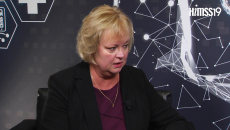
To foster a culture where patient experience is valued and prioritized, hospitals and health systems must first improve the experience for caregivers, says Sue Murphy, chief experience officer at UChicago Medicine.
Almost every informatics manager you speak to will tell you about problems attracting, recruiting and retaining high quality informatics staff. We also know the problem is likely to get worse rather than better, as greater numbers and more highly skilled and specialist staff are needed in the future.
Capital and Coast District Health Board (DHB) in New Zealand is piloting the Resident Guide app for onboarding junior doctors.
The six-month pilot begins in mid-August and involves all resident medical officers (RMOs) at Wellington Hospital.
Junior doctors are rotated around hospitals four times a year and need to quickly upskill on the way things are done at each new location, such as how to book tests and consults with other specialties.
The cloud-based Resident Guide app provides access to a combination of local operational and clinical guidelines.
3DHBs (Capital & Coast, Hutt Valley and Wairarapa DHBs) chief clinical information officer Steve Earnshaw said the aim of introducing Resident Guide is to make access to essential information easier for RMOs to find and engage with.
Earnshaw added that local information is already being loaded into the app and the August start date will provide time to fine tune and make improvements before the transition period in November when a new group of RMOs arrive.
“Change-over is always a difficult time and this will help the new RMOs by providing them with everything they need to know on an app on their phone,” he said.
MedApps co-chief executive Tom Collins said the regular movement of junior doctors is like starting a new job every few months.
“The information is all site specific, so they have to start from scratch every time,” said Collins.
“Resident Guide means that when you rotate you are not making mistakes and it’s a confidence builder for junior doctors who are trying to do the best for themselves and their patients.”
The platform is already live at 28 facilities in Queensland, Australia, where it is also being used by nursing staff.
This article first appeared on eHealthNews.nz.
Commonwealth Corporation, a workforce development agency that works to boost the skills of Massachusetts young adults with investments and partnerships, has released new funding to create new pilots to expand training for entry-level healthcare workers.
WHY IT MATTERS
The money for the pilots comes after Massachusetts' Commission on Digital Innovation and Lifelong Learning issued a report and recommendations to Gov. Charlie Baker, making the case that "healthcare, information technology and advanced manufacturing are among the most vital employment sectors for Massachusetts’ future prosperity" and "should be important focal points of any meaningful effort to align lifelong learning opportunities with employer needs."
Three partnerships will get as much as $200,000 each via two-year grants to help develop and new digital or hybrid competency-based training programs for entry-level healthcare workers. The money will support an initial Program Design phase and subsequent implementation, including tuition for a first cohort of students.
THE LARGER TREND
Despite being a world leader in the healthcare and technology industries, Massachusetts is still home to thousands of employees in entry- and mid-level healthcare jobs – home health aides, certified nursing assistants, direct care workers and others – who don't have sufficient access to education and skill-building opportunities, the Commonwealth Corporation noted.
Meanwhile, many employers in healthcare and beyond are grappling with worker shortages that are hindering their ability to deliver high-quality care.
The goal of this new initiative is to help upskill employees such as those with digital training programs, accomplishing the dual goal of boosting economic opportunity for workers while addressing healthcare's workforce shortages.
ON THE RECORD
Commonwealth Corporation illustrated the kind of worker who might benefit from these programs by describing an entry-level healthcare worker named Carla.
"A single mother with a high school diploma who immigrated to the United States eight years ago, her wages are now $14 an hour, making it a struggle for her to support her family even when she works more than 40 hours a week. Despite these challenges, Carla has consistently demonstrated passion for her work, earning praise from both her patients and employer, who cite her caring approach, diligence and interest in continuing to improve her practice.
"Carla would like to advance professionally, but she can’t figure out how to participate in the required training. She needs to continue to work as the sole caretaker of her two youngest children and she shares her car with her 19-year-old daughter, who attends a community college and works evenings. Carla’s circumstances make returning to the classroom an unrealistic – and unaffordable – option.
"With the rising demand for community-based care, Carla’s employer also faces growing challenges filling open positions. The company wishes to build a career advancement ladder to develop the skills of staff like Carla and other promising colleagues, but it lacks the knowledge and capacity to provide in-house training. And low margins for reimbursable time make it nearly impossible to schedule sufficient training time during the work day."
The hope with this new funding is to create new opportunities for employees and employers alike, and better position Massachusetts' workforce for the future of digital health.
.jumbotron{ background-image: url("https://www.healthcareitnews.com/sites/hitn/files/u6245/workforce%20development%20jumbotron.png"); background-size: cover; color: white; }
.jumbotron h2{
color: white;
}
Focus on Workforce Development
In July, we'll speak to experts about how they're managing their workforces – not just clinicians, but IT departments, data scientists, care managers, back office staff and others.
Twitter: @MikeMiliardHITN
Email the writer: mike.miliard@himssmedia.com
Healthcare IT News is a publication of HIMSS Media.

Intermountain is looking at data, prescribing habits and EHR defaults to help curtail the issue, says Dr. James Hellewell, medical director of Care Transformation Information Systems at the healthcare provider.
SPONSORED
 |
04:40 pm |
July 15, 2019
|
04:40 pm |
July 15, 2019
|
04:40 pm |
July 15, 2019
A survey Vocera® conducted at HIMSS19 with HIMSS Analytics, whose market research offering is now a part of Definitive Healthcare, points to the prevalence of cognitive overload. A vast majority of clinical and IT leaders have recognized signs including clinicians appearing stressed or overwhelmed. More than half of survey respondents said clinicians ignore or fail to notice actionable alerts, which are alerts related to a patient’s condition or care.