Workforce
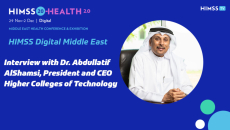
H.E. Dr. Abdullatif Mohammed AlShamsi, president & CEO of Higher Colleges of Technology in the UAE, says teaching online while maintaining a clinical practice has enabled HCT to make a smooth transition to a hybrid model of training.
US-based diabetes software app, Glooko has announced a partnership with the Association of British Clinical Diabetologists (ABCD) / Diabetes Technology Network (DTN), to launch an online medical education programme for clinicians who treat people with diabetes in the UK.
The programme focuses on diabetes health tech, and includes online courses for healthcare professionals (HCPs), with the intent to increase knowledge, training and usage of web-based programmes, telehealth, mobile apps and remote monitoring.
WHY IT MATTERS
The programme will help clinicians keep their knowledge base current on the mounting numbers of new diabetes technologies that manufacturers make available to people with diabetes.
It was inspired after discussions with the National Health Service England (NHSE), as part of its effort to ensure that all healthcare professionals learn uniformly about technology.
According to Diabetes Facts and Stats: 2015, currently, the number of people diagnosed with diabetes in the UK is estimated to be 3.5 million and expected to rise to 5 million by 2025.
THE LARGER CONTEXT
A new report from Research2Guidance (R2G) has predicted that the digital diabetes market will be worth €1.3 billion by 2024.
Competitor in the digital diabetes space, Omada has launched a digital diabetes prevention program, claiming blood sugar and weight improvements after 12 months.
In Dubai, specialist clinic, GluCare Integrated Diabetes Center officially opened in October. The clinic claims to be “the world’s first healthcare provider” to “employ remote continuous data monitoring” for diabetic patients.
ON THE RECORD
Professor Pratik Choudhary, Professor and honorary consultant in diabetes and Chair of DTN UK, said: “As diabetes technology becomes increasingly widespread in routine clinical practice, we need to train all levels of our diabetes and wider health workforce in what these technologies are and how to use the large amounts of data they generate.
“Use of these technologies has transformed how we deliver care, especially during these challenging times. We firmly believe that the collective efforts that we’re cultivating with world-class digital health companies like Glooko will create more value and positively impact outcomes that matter to people with diabetes.”
Penn Medicine Chief Information Officer Mike Restuccia says strong leadership is needed to capitalize on technology's potential – but people are the real enablers.
Almost all of the physician and nurse volunteers at Clinic of the Cascades were over 65. Here’s how the three merged technologies allowed it to stay open during COVID-19.
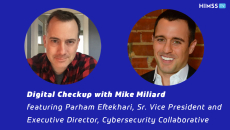
Intelligence sharing and collaborative best practices can help with risk mitigation as pandemic-era cyberattacks increase, says Parham Eftekhari, executive director of the Cybersecurity Collaborative.
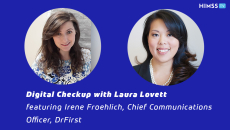
Irene Froehlich, chief communications officer at DrFirst, discusses the changing world of digital health and offers advice on starting a career in health tech.
A KLAS report finds that most health systems rely on a mishmash of artificial intelligence and machine learning tools to meet their needs.
Healthcare lawyer Andrew Selesnick said one key will be to establish a stable, user-friendly platform that can make documentation seamless.
Dr. Daniel J. Nigrin, senior vice president and CIO at Boston Children’s Hospital, will take over in January.
The Federally Qualified Health Center didn’t let COVID-19 stand in the way of a successful EHR implementation. Here’s a step-by-step look at how they did it.