Workforce

At Penn Medicine, preparing leaders to successfully manage talent and remote work productivity has been essential – and has positioned it well to provide more training opportunities going forward.

A survey of nearly 2,000 technology execs found they expected to see a boost in funding for digital infrastructure – as well as a continuation of work-from-home policies.

At HIMSS21, a leader from Brigham and Women's Digital Innovation Hub will explain more about its hospital-wide crowdsourcing initiative, designed to elicit problem-solving ideas from frontline staff.
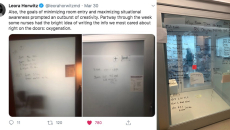
In the final installment of our pandemic lessons learned feature series, four health IT leaders also stress the importance of a sound digital foundation, texting best practices and "super speed."

"Even the perfect digital solution, based on all known facts today, may no longer optimally hit the mark once it’s been fully deployed in the future," says one expert, who will explain more at HIMSS21.

She joined the company in 1988 as an implementation programmer before rising through the management ranks.

SPONSORED
 |
05:30 pm |
July 12, 2021
|
05:30 pm |
July 12, 2021
|
05:30 pm |
July 12, 2021
To lessen their risk of being a victim of a ransomware attack, healthcare organizations should implement a security awareness program, says Brian O'Donnell, vice president at Carahsoft.

Healthcare organizations need to be thinking about what their future IT workforce will look like, and figuring out ways to ensure a robust pipeline of talent in an era of rapid digitalization and disruption.

A deputy chief information security officer offers a comprehensive checklist for infosec leaders, helping ease the daunting task of talking cybersecurity with health system leadership.

As one expert will explain at HIMSS21, the scalable dev technique is "capable of an almost infinite array of features and uses" and represents "custom software at its best."