Telehealth
SPONSORED
 |
02:10 am |
February 14, 2022
|
02:10 am |
February 14, 2022
|
02:10 am |
February 14, 2022
Pandemic-induced delays have exacerbated gaps in patient care. Technology can help empower your clinicians to close these gaps and boost the overall success of population health management programs.
Ascension's clinician network and patients will have access to Labcorp's diagnostics and at-home collection services.

Josh Basile, community relations manager for accessiBe, discusses how developers can ensure their tools aren't presenting hurdles for people with disabilities.

Before the COVID-19 pandemic began to ripple across the world, Harvard Medical Faculty Physicians at Beth Israel Deaconess Medical Center had only used telehealth in a limited capacity.
But when the crisis made itself evident, explained HMFP Director of Telehealth Dr. Oren Mechanic in an interview with Healthcare IT News, "we knew we needed to develop an enterprise-wide virtual delivery system to withstand the COVID-19 pandemic and beyond."
"And it needed to happen quickly – in a matter of days," he added.
Mechanic, who will present at HIMSS22 in Orlando about the program alongside HMFP Chief Information Officer Leanne Harvey, noted that physicians were quick to innovate in response to the uptick in interest.
"There were robots, remote devices, tele-rounding and hackathons" to treat patients virtually, he said. "As we were innovating fast, our CEO, Dr. Alexa Kimball, Chief of Emergency Medicine Dr. Rich Wolfe, and I published our vision for a virtual hospital that would care for patients outside of the conventional four walls.
"This served as our model as we focused our system on equity, access, and patient and family engagement to design a virtual care system that now supports our clinician workforce, consisting of over 2,000 providers," he continued.
"We hope it sustains virtual care for many years to come!" he said.
Of course, such an enormous undertaking doesn't come without challenges.
Throughout the system's journey to conducting upwards of 500,000 virtual visits, said Harvey, "we have had to consider privacy and security, multiple channels to engage patients – text, email, telephone, chat, video – language support, physician burnout, staff training and access to care for underserved populations.
"At the beginning of the pandemic, we were using various telehealth platforms, but quickly identified the need for a single system that could be optimized across all 13 specialty departments," she continued.
After considering numerous external vendors, the health system designed and built its own homegrown telehealth platform hosted on BIDMC's Amazon Web Services cloud, through which it currently conducts about 4,200 weekly patient visits.
"We needed to overcome physician time spent on troubleshooting tech issues with patients, which limited their clinical time. We were also worried about barriers to care for patients, such as those without broadband access [or] tech-literacy, [or with] limited English proficiency," said Harvey.
She also pointed to what she called "problematic" clinical workflows initially.
"There was a lack of integration with the existing EHR, which meant that these visits were disconnected from the established health IT environment," she explained.
"Because we had traditionally used telehealth infrequently, there was no standard way in coordination of care – especially considering the change in volume of telehealth visits almost overnight," she added.
Clinician engagement was also a major factor in the rollout.
"We conducted multiple needs assessments, physician champion group meetings, and ancillary staff engagement to come up with a set of guiding principles that proved essential," said Mechanic.
At the height of the pandemic, he said, about two-thirds of ambulatory visits were conducted virtually – and most BIDMC staff and HMFP physicians still use the telehealth platform today.
"The program has not only been incredibly successful, but can guide other programs in creating their own 'gold standard,'" Mechanic continued.
HIMSS22 participants will get a taste of that guidance: Harvey and Mechanic say attendees will leave the session with a model for building and implementing a robust telehealth system, developing a needs assessment, and evaluating outcomes.
"We hope they will understand the challenges and solutions in launching a successful telehealth system, and in creating a customized platform," said Harvey.
"We will share the guiding principles that helped our program succeed, and the specifics regarding our chosen design, how we integrated it, and the issues – technical and otherwise – we overcame as the system launched," she said.
Mechanic and Harvey will discuss more in their panel, "Building a Virtual Hospital From the Ground Up." It's scheduled for Thursday, March 17, from 2:30-3:30 p.m. in Orange County Convention Center W230A.
.jumbotron{ background-image: url(https://www.healthcareitnews.com/sites/hitn/files/u2556/HIMSS22Jumbo.jpg); background-size: cover; color: white; } .jumbotron h2{ color: white; }
HIMSS22 Coverage
An inside look at the innovation, education, technology, networking and key events at the HIMSS22 Global Conference & Exhibition in Orlando.
Kat Jercich is senior editor of Healthcare IT News.
Twitter: @kjercich
Email: kjercich@himss.org
Healthcare IT News is a HIMSS Media publication.

Teladoc Health, IBM, Epic and athenahealth all signed on to support the proposed legislation.

The companies will offer a combined 750,000 patients with access to services for a variety of needs, including birth control and chronic conditions.
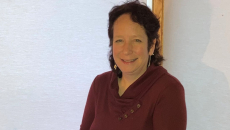
The manager of access care technology at the Detroit provider offers an advance look at her HIMSS22 session, which will dive deep into the unique telehealth initiative.

It will help reach 800 more women from regional communities.
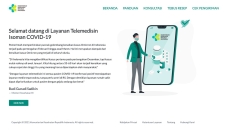
The country is experiencing a potential third wave of infections.
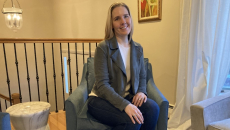
An expert from Philips goes in-depth into the combination of in-person and virtual care, and how that could lead to a better experience and decreased costs.