Patient Engagement
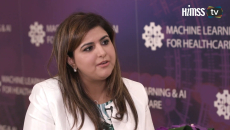
Simer Sodhi, director of data management & analytics at Westchester Medical Center, says the organization integrated data from the EHR using a machine learning algorithm to connect patients to the right sources of care.
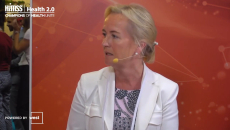
Cancer patients who used digital solutions to stay connected to their caregivers and report symptoms lived 6-7 months longer, says Dr. Johanna Mattson, director of Comprehensive Cancer Center at Helsinki University Hospital.
Aged-care provider Ryman Healthcare in New Zealand has built its own electronic care planning system that runs on 3,500 tablets deployed in residents’ rooms across its residential aged-care villages.
The myRyman application has removed paperwork for both care planning and rostering and improved staff and resident satisfaction.
The $20+ million project has seen wi-fi deployed across all Ryman’s villages and the organisation’s IT team grow from three to 60 people since 2015, when work first started.
Clinical nurse specialist Victoria Brevoort said myRyman directs the care delivered in a resident’s room.
When a staff member logs into the tablet they are presented with a schedule of tasks that need to be completed that day, as well as information about the resident, such as their interests and family.
“People know much more clearly what they have to do and when they have to do it and it’s more accountable because they have to complete the task in the system,” she said.
“It has freed up our staff to spend more time with the residents, one on one. They can record what they talk about in the system, so we see the resident as a person, rather than a collection of tasks we need to do for them.”
Ryman corporate affairs manager David King said the organisation’s audit results have significantly improved since implementing the system, as 81 per cent of its villages now have four-year accreditation.
The technology project is also generating a wealth of data that is being mined for insights.
“We’ve discovered a whole load of data that we’ve never had before, and it’s a gold mine because it provides a closed loop between tasks and clinical outcomes,” King added.
A central dashboard of information allows Ryman’s business intelligence team to identify any anomalies quickly, such as a spike in falls, which can then be investigated.
Differences in performance between villages can also be interrogated in order to improve performance across the network, he explained.
Chief executive Gordon MacLeod said that “not only has it done what it set out to do – get rid of paperwork – but the data we’re collecting from it means we better understand care outcomes and allow us to lift our standards of care even higher’’.
This article first appeared on eHealthNews.nz.
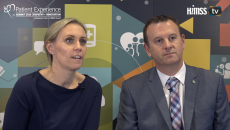
The hospital transformed the culture by tasking teams with sponsoring values to create awareness about the need to strengthen patient satisfaction, according to CEO Matt Kelly and Director Jennifer McNamara.
The two women’s care organizations are blending their care operations to build on each other’s strengths. The vendor’s telehealth technology has helped decrease ER visits by 26%.
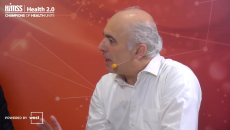
Koen Kas, founder of Healthskouts, says the aim is to "die young, but as late as possible" by utilizing digital technology to remove barriers and offer patients new experiences to make healthcare delightful.
Researchers' computational analysis has identified putative gene targets, which could be of therapeutic value for boosting NK cell anti-tumor immunity.
SPONSORED
 |
04:59 pm |
June 27, 2019
|
04:59 pm |
June 27, 2019
|
04:59 pm |
June 27, 2019
By creating a new engagement layer for agents, UnitedHealth was able to address workflow issues, making it possible for them to focus on customers more keenly.
They plan to share resources and jointly advocate for improved training, research and better rural health outcomes across country Victoria.