Government & Policy

Robert Havasy, HIMSS' senior director of informatics strategy, says he's interested in how health systems are leveraging AI to assist patients along the care journey, even as they also work to improve provider experience.

Technical barriers, workforce limitation, privacy concerns and cost may all contribute to lower rates of electronic exchange of health information by mental health and substance abuse treatment facilities, a new analysis shows.

Members of Congress from affected states are hoping to repeal the AI-focused Medicare prior auth model, claiming it privatizes care delivery and harms patients.
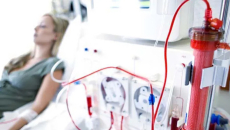
The kidney donation innovation project aims to expand the donor pool by dismantling barriers that prevent potential donors from coming forward.

Stakeholders who are interested in health and technology policy advocacy can join any number of committees or workgroups related to their topic of interest, says HIMSS Senior Director of Public Policy Jonathan French.
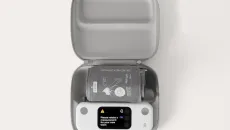
The accepted providers have agreed to receive payments tied to the results-based Medicare payment model, which allows healthcare organizations to use digital health tools and integrated services to treat chronic conditions.

Australia is investing heavily in digital health – but without redefining ROI beyond short-term financial returns, much of its true value risks going unmeasured.

ANNE Maternal is a wireless monitoring system that streams maternal and fetal data and issues alerts to clinicians when evaluation is required.

The new federal electronic health records system went live at facilities in Ann Arbor, Battle Creek, Detroit and Saginaw. The Department of Veterans Affairs also says it is staffing up to support implementations of the long-beleaguered Oracle Health EHR.

As artificial intelligence tools become more integrated and routine in care delivery, new enforcements could focus on governance, documentation and oversight, one healthcare attorney says. He offers his thoughts on defense strategies in healthcare AI-related cases.