Connected Health

The company's digital health tools – smart scales, blood pressure monitors and other wearables – allow patients to monitor their health at home, says Antoine Robiliard, VP at Withings.

Overburdened Wi-Fi networks may not be sufficient to meet these needs and cellular signals can vary in strength within a building, impacting patient care and experiences.
Resilient connectivity across your facility is necessary for healthcare organizations (HCOs) to support strategic technology initiatives like telemedicine, IoT devices, EHRs, imaging, and patient entertainment. However, many HCOs rely on WiFi and outdoor cellular towers, a legacy approach that often results in slow data speeds, frustrated patients and staff, and rising maintenance costs.


Remote Patient Monitoring
Artificial intelligence is helping improve remote patient monitoring technology, with especially promising applications focused on diabetes. One CEO discusses the quality and cost-efficiency promise of "the next generation of remote care."

UpScriptHealth specializes in this approach to virtual care, including for female pelvic health and opioid withdrawal symptoms. Its founder talks about how this form of telehealth can boost outcomes and help fill gaps caused by specialist shortages.

The health system deployed comprehensive virtual care devices in all of its urgent care clinics, vastly improving the patient and provider experiences and boosting the bottom line.

The hospital group has recently demonstrated EMR and IT infrastructure maturity above the regional and global averages.
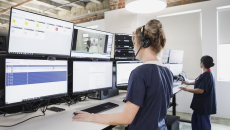
The seven-state health system seeks to standardize its patient-monitoring tools and processes at 49 hospitals and hundreds of care sites via the partnership.