Clinical

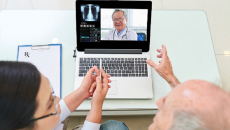
The company says the new HIPAA-compliant integration can reduce specialist visits, improve patient access and minimize administrative overhead with customizable algorithms that route patient referrals.
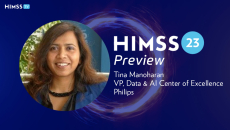
Tina Manoharan, VP of Data & AI Center of Excellence at Philips, previews her HIMSS23 discussion, showing how health systems need real-world data to gain insights with artificial intelligence.
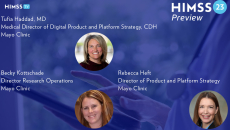
Dr. Tufia Haddad, Becky Kottschade and Rebecca Heft of the Mayo Clinic discuss the health system's clinical trial implementation strategy ahead of their HIMSS23 presentation – describing its goals, keys to success and challenges to overcome.

Specially trained medical assistants (dubbed tele-MAs) travel to patients' homes and enable full exams virtually, the provider organization's CEO explains.
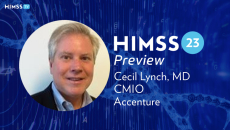
In a preview of his HIMSS23 presentation, Dr. Cecil Lynch, chief medical information officer at Accenture, describes the current role of genomics in healthcare and discusses how to ensure innovations are more widely used to ensure value-based care.

The integration could help providers and payers that use the TriZetto platform to enhance revenue growth and streamline claims management, while improved interoperability elevates care quality.
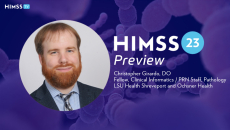
In a preview of his HIMSS23 session, Christopher Girardo, fellow, clinical informatics/PRN staff, pathology, at LSU Health Shreveport and Ochsner Health, dives into health IT's role in fighting sepsis.

The University of Kansas Health System has boosted overall block utilization by 20% total, prime time by almost 5% total and overall volume by 8% – all with a 7% reduction in available room.

The Coalition for Health AI's guide takes a patient-centric approach and aims to address, among other challenges, barriers to trust in AI and machine learning. It builds on the White House's AI Bill of Rights and NIST's' AI Risk Management Framework.