Clinical
Saudi Arabia's Ministry of National Guard Health Affairs broke records by achieving HIMSS stage 7 in four models concurrently. Raed Alhamze explores the impact on patient outcomes.
Anjali Kataria, Mytonomy CEO and cofounder, says that content streaming and AI can empower patients at home and help hospitals and health systems improve their patient education materials as they reduce the time nurses spend answering questions.
The large language model's performance was steady across both primary and emergency care, and for all medical specialties, but struggled with differential diagnoses, according to new research by Mass General Brigham.
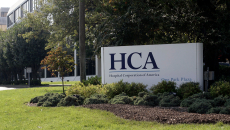
The healthcare giant will expand its work with Google to help automate workflows and streamline documentation for ED physicians, among other initial use cases.
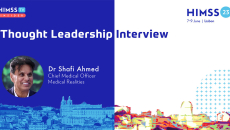
According to the UK's Dr Shafi Ahmed, to meet the workforce squeeze, health systems need to plan better, change training radically and introduce flexible career paths that allow for periods of teaching or innovating.
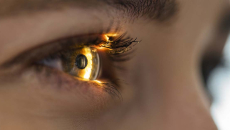
Screening for neurodegenerative disorders could help clinicians delay their onset by helping patients make lifestyle changes.
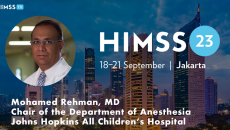
Digital twin technology can equip clinicians with the ability to predict adverse outcomes – whether in health or operations – and in turn enable early interventions, says Dr. Mohamed Rehman of Johns Hopkins All Children's Hospital.
Success Stories & ROI
That's been in med-surg and the ICU. In the ED, the health system has discharged 63% of its patients to outpatient plans with the help of telepsychiatry.

In one example, RPM helped detect impending potentially fatal adverse events 18 hours in advance of readmission. A wearable sensors expert discusses the benefits of RPM in cancer care.

It is one of the projects developed using its latest supercomputing infrastructure, Prescience.