Clinical
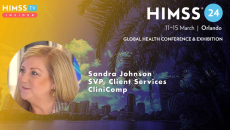
CliniComp's system-as-a-service EHR model reduces costs through its subscriptions, provides an accurate, accessible longitudinal patient record and enables faster deployment of new features, says Sandra Johnson, SVP, client services at CliniComp.

Trained on vast datasets, machine learning applications can spot trends and predict patient outcomes. A researcher details how these new approaches are giving nurses the evidence they need to make more informed decisions and deliver higher-quality care.

Sensors and automation tech can allow nurses to interact with and monitor multiple hospital patients around the clock without entering their rooms or interrupting their sleep. Michael Brandofino, president and COO of Caregility, explains how.

Health systems should embrace transparency to keep patients connected and informed – and to avoid losing them to retail clinics and other nontraditional providers, says Dr. Geeta Nayyar, MDI Health's executive clinical advisor.

Doing away with traditional manual coding has enabled Mount Alvernia Hospital's IT team to focus more on innovation rather than "reinventing the wheel," shares technology director Bruce Leong.

Building on the ongoing collaboration with Nuance, providers can use DAX Copilot conversational, ambient and generative artificial intelligence to draft clinical notes during in-person and telehealth visits.

Its national research institute has built a chatbot based on Meta's LLM which can answer doctors' questions with up to 95% accuracy.

HL7 has been used in healthcare to promote interoperability standards adoption, and with the Colombian government to improve information-sharing laws. Dr. Maria Carolina Aguirre, CMIO at FCV-HIC (Hospital Internacional de Colombia), explains.
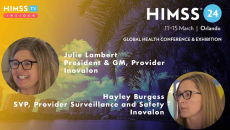
Inovalon acquired VigiLanz to bring real-time surveillance software that can help prevent adverse hospital events. Inovalon's Julie Lambert, president and provider GM, and Hayley Burgess, SVP for provider surveillance and safety, offer a deep dive.