Clinical
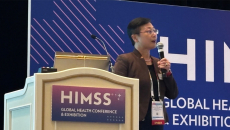
Artificial intelligence is no longer science fiction. And if healthcare can ensure empathy and compassion in patient care and clinical AI, it will also integrate more deeply into nursing practice, says Holly Wei of Texas Tech University.
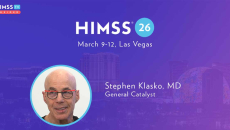
Care delivery might become more personalized, "tailored and swift" during a Taylor Swift administration, says General Catalyst's Stephen Klasko, keynote speaker at the HIMSS26 Smart Health Transformation Forum.
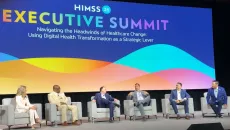
AI implementation is expensive and necessary, but that’s where the agreement ends.
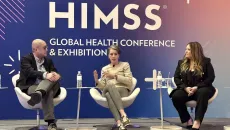
During a discussion at HIMSS26, panelists described the collaborative approach to designing healthcare spaces with real impact.
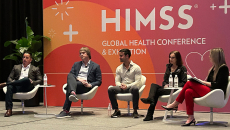
Some providers are still in the very early stages. Others are spending big on shiny objects. Still others are well off to the races, with mature deployments enabling robust ROI. Where are we in the AI hype cycle? It depends, said panelists at HIMSS26.

Rethinking how data is used is essential for health systems as they face workforce shortages and an aging population.
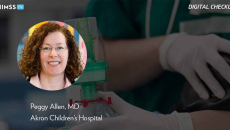
Dr. Peggy Allen, a pediatric anesthesiologist at Akron Children's Hospital, offers tips for physicians and nurses on the frontlines of healthcare delivery on how they can use their EHRs to better serve patients.

It is securing 1,000 additional licenses for use by mental health teams in public emergency departments.

The newly released application can generate simplified formatted patient consult summaries.
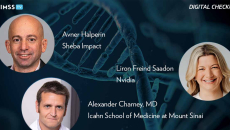
Mount Sinai Health System, ARC Innovation Center and Nvidia are working together to apply AI to vast datasets that could unlock genomic insights and help researchers better understand how patients could respond to therapies.