Artificial Intelligence
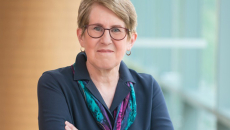
In a time of "rapid change and uncertainty" the longtime IT and interoperability leader is also hearing lots of questions about e-prior authorization, identity and access management, and getting ROI from compliance investments.

HIMSS25 session will show how an AI solution can be implemented even at a high-volume, safety-net healthcare setting.

Parkland Center for Clinical Innovation is using AI and machine learning to gain a better understanding of diabetes and hypertension populations.

MGB-eFI can be integrated with an Epic-based electronic health record or be modified for other IT systems, making it a versatile tool for frailty assessment and fall risk.

The technology, known as Bynahm, is designed to bridge the distance among hospitalized patients and their loved ones, using automation and VR to streamline communication and provide immersive experiences.

Artificial intelligence tools have helped the organization get 100% of outpatient surgeries and 50% of inpatient surgeries opioid-free, says Dr. Zafar Chaudry. AI is helping with stroke prevention, too.

Dr. Zafar Chaudry explains, for one thing, how AI algorithms can predict strokes before they happen so physicians can intervene and prevent them. He adds that 20% of his job is sales – convincing colleagues the tech will do the job.

With an understanding of your organization's data, it's time to harness it for strategic goals. Greg Kuhnen, system director for analytical solutions at UNC Health Care, offers perspective on how the HIMSS Analytics Maturity Assessment Model can help.

Also, Northeast Health Wangaratta has upgraded its EMR system.
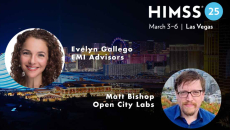
The pre-conference event will offer sessions on patient engagement, the digital divide, SDOH, public health, climate and more. Matt Bishop of Open City Labs and Evelyn Gallego of EMI Advisors offer a preview.