Artificial Intelligence
With guidelines and rules for healthcare AI coming from the FDA, ONC, OCR, the White House and others, how will this regulatory framework change in 2024? Bryant Godfrey, partner at Foley Hoag, offers some thoughts.

Regulators are starting to see an opportunity to incentivize the use of artificial intelligence and machine learning, says one expert, who predicts accelerating adoption ahead, with "meaningful use" of explainable AI.

The application, known as iStar, was created by Perelman School of Medicine researchers to give clinicians more insights into gene activities in medical images and, potentially, help them diagnose cancers that might have otherwise been undetected.
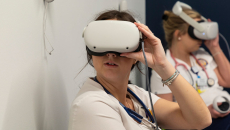
Tech-enabled experiential learning is elevating nursing curriculums to engage more students – and produce more graduates who say they're ready to hit the ground running in a digital health environment.

For all its potential benefits for healthcare, it's still critical to understand how patient data is being collected and used for AI models, says Sara Shanti, a partner in Sheppard Mullin's Chicago-based Corporate Practice Group.

Andreessen Horowitz investment partner Jay Rughani discusses the paper he and his colleagues published recently about clinical use cases of AI, and outlined steps regulators should take for reimbursing providers using the technology.

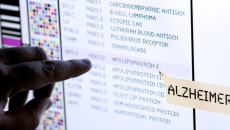
A new law passed in New York and legislation introduced in Ohio are just two of the latest examples of a legislative push to expand insurance coverage for biomarker testing.

Robotic-assisted bronchoscopy enables doctors to perform minimally invasive biopsies in distant areas of the lungs, including small nodules in the peripheral regions.

The year ahead will see policies evolving along with the tech, says Brigid Bondoc, partner and life sciences attorney at Morrison Foerster, who discusses regulatory approaches that foster innovation while protecting safety.