Artificial Intelligence

Dr. Tim O'Connell, physician CEO of emtelligent, offers his view of what's needed to ensure artificial intelligence can work safely, effectively and transparently in healthcare settings.

OpenNotes and Abridge want to find out, as they team up for a Beth Israel Deaconess Medical Center project to assess and develop new clinical documentation tools powered by artificial intelligence.
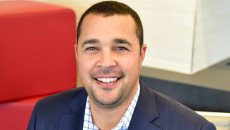
Andy Sajous, a leader in digital transformation, explains. He discusses the trade-offs of building versus buying artificial intelligence tools and describes some crucial actions CIOs should take going into 2025.
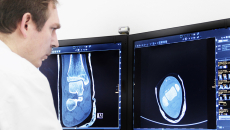
He has boasted about the accuracy of subscription-based Grok artificial intelligence for analyzing medical images, but physicians and researchers say the model's ability to diagnose medical conditions is limited, and privacy experts have concerns.
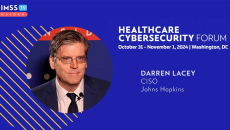
Information telemetry and analysis can be aided by component pieces of large language models, says Darren Lacey, CISO at Johns Hopkins.

And cybersecurity too. "I would definitely encourage folks to go deeper into those other areas and broaden their capabilities overall," says the chief AI adviser at UC Davis Health to those who might want to tackle a similar role.
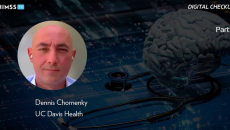
UC Davis Health chief AI advisor Dennis Chornenky points to knowledge of policy, business strategy, technology and healthcare – as technologies are evolving much more quickly than governance can catch up.

Following its multiple HIMSS digital health maturity validations, China Medical University Hospital is stopping at nothing to fully realise AI's full potential, says Superintendent Dr Der-Yang Cho.
You can't just toss AI onto the CIO or CTO titles. Overseeing artificial intelligence in clinical and business environments, standing up a governance structure, and managing portfolios of tools for different patient types requires deep experience.

Also: SmarterDX launches tools to help hospitals overturn denials in minutes and recover lost revenue.