Women In Health IT

Technology can make connections with people 24/7, not just when they’re in a care setting, to manifest empathy, says Carium Chief Transformation Officer Lygeia Ricciardi.

Health economist Jane Sarasohn-Kahn, however, says the industry still has miles to go before public policies align with social determinants of health.

WAMBI CEO Rebecca Metter discusses how looking at the clinician and patient experience through the same lens strengthens bonds between caregivers and patients.
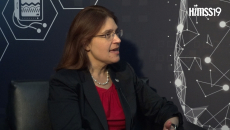
Duke University Health System Associate CMIO Genie McPeek Hinz, MD, discusses how the provider was the first to earn what it calls the "Triple 7," HIMSS Analytics' recognition for ambulatory, acute and analytics maturity.

Unresolved issues of today are whether the health IT industry will be subject to more regulation and how current payment and incentive models will evolve, says Sharp Index founder Janae Sharp.
Hope for Henry CEO Laurie Strongin details how the non-profit is helping children in the hospital understand what it happening to them, what their diagnosis means and what to expect.
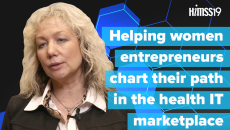
Springboard Enterprises Director Rebecca MacKinnon details how her firm helps with leadership development for female entrepreneurs.

Quantuvis helps bring efficiency and analytics to negotiations between managed care and pharmaceutical companies, says CEO Lisa Bair, who also describes the healthcare opportunities for female entrepreneurs like herself.

Veteran healthcare leader and Health Innovation Strategies CEO Naomi Fried says pharma companies that can leverage clinical-grade apps, virtual care and medication adherence to better support patients will win in the long term.
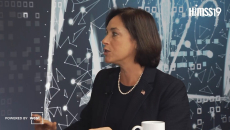
Karen DeSalvo, former national coordinator and professor at Dell Medical School, says there are too many patient portals, so the trend now is to put all of a patient's data in one place so they can access it via smartphone.